7 Best Supplements for Anxiety That Actually Work, According to Science
Table of Contents
This post contains affiliate links, which means we may earn a small commission if you purchase through our links — at no extra cost to you. We only recommend products we genuinely believe in, based on research and quality standards. Thank you for supporting YourVitaHub! Amazon Associates Program and other brands’ links
What supplements for anxiety actually work? If you’ve ever felt your chest tighten before a big meeting, woken up at 3 a.m. with racing thoughts, or found yourself snapping at the people you love for no real reason — you’re not alone. Anxiety is one of the most common mental health challenges in the world, affecting more than 284 million people globally, according to the World Health Organization.
And while therapy and lifestyle changes are often first-line recommendations, a growing body of research suggests that certain supplements for anxiety can meaningfully support your nervous system, reduce cortisol levels, and help restore a sense of calm — without the side effects that many prescription medications carry.
This guide covers the seven most evidence-backed supplements for anxiety available today — what the science says, who they’re best for, how to take them, and what to look for when choosing a quality product.
⚠️ Important: This article is for educational purposes only and does not constitute medical advice. Always consult a qualified healthcare provider before starting any new supplement, especially if you’re taking medications or managing a diagnosed condition.
Why Do Some People Turn to Supplements for Anxiety?
Before diving into the list, it’s worth understanding why nutritional and herbal supplements even enter the anxiety conversation. The answer often comes down to three overlapping factors: nutrient deficiencies, chronic stress, and the gut-brain axis.
Research published in the journal Nutrients found that deficiencies in magnesium, B vitamins, and zinc are significantly associated with elevated anxiety and depressive symptoms. Meanwhile, the gut produces roughly 95% of the body’s serotonin — which is why gut health and mental health are so closely linked.
Supplements don’t replace professional care or healthy habits, but when chosen thoughtfully and based on your individual needs, they can provide real, measurable support.
The 7 Best Supplements for Anxiety, Ranked by Evidence
1. Ashwagandha (Withania somnifera) — Best for Cortisol and Chronic Stress
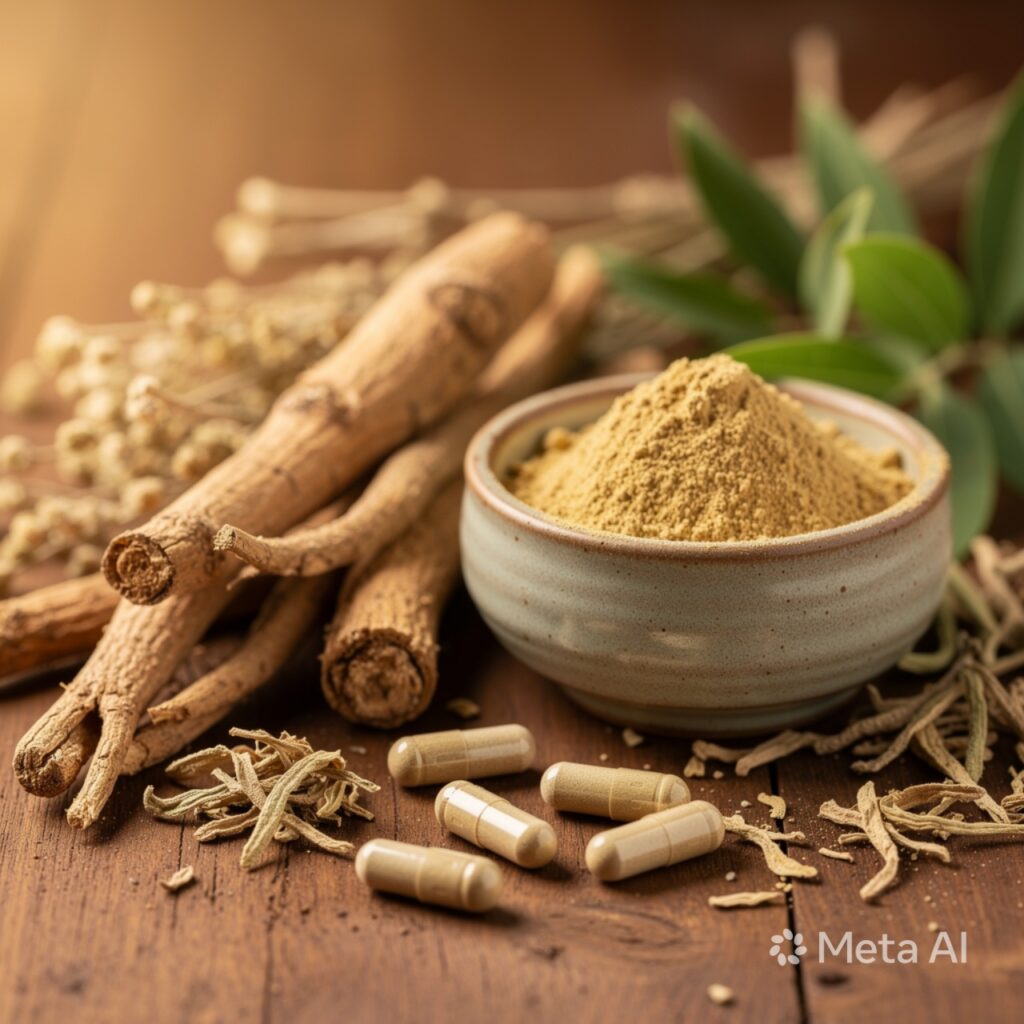
Ashwagandha is probably the most well-researched adaptogen in modern science — and for good reason. A 2019 randomized, double-blind, placebo-controlled study published in Medicine found that 240 mg of standardized ashwagandha extract per day significantly reduced serum cortisol levels, perceived stress, and anxiety scores compared to placebo over 60 days.
What makes ashwagandha stand out among supplements for anxiety is its dual mechanism: it modulates the HPA (hypothalamic-pituitary-adrenal) axis — the body’s primary stress-response system — while also supporting GABA receptor activity, which promotes relaxation.
Who it’s best for: People dealing with chronic stress, work burnout, or elevated cortisol. Particularly beneficial for women experiencing perimenopause-related anxiety.
Typical dosage: 300–600 mg of KSM-66 or Sensoril extract daily. Can be taken in the morning or evening.
Side effects to know: Generally well-tolerated. May cause mild drowsiness or GI discomfort in some individuals. Not recommended during pregnancy.
Take a look below! The best choices in Ashwagandha, top 3:
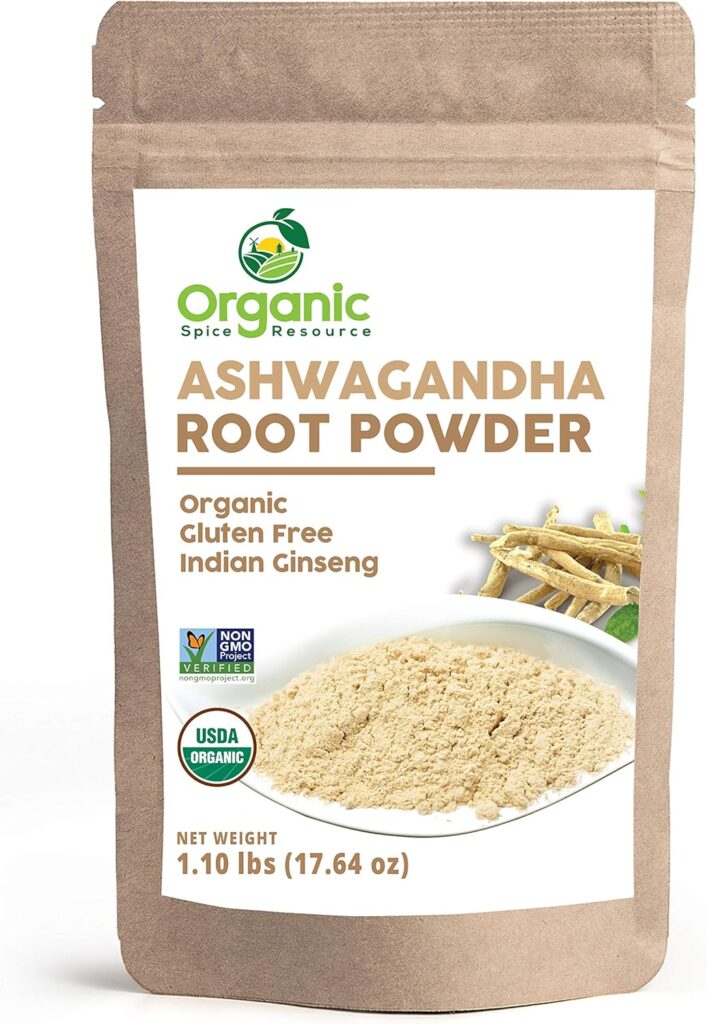
Ashwagandha Root Powder-Organic Spice Resource-100% Organic, gluten-free, from India
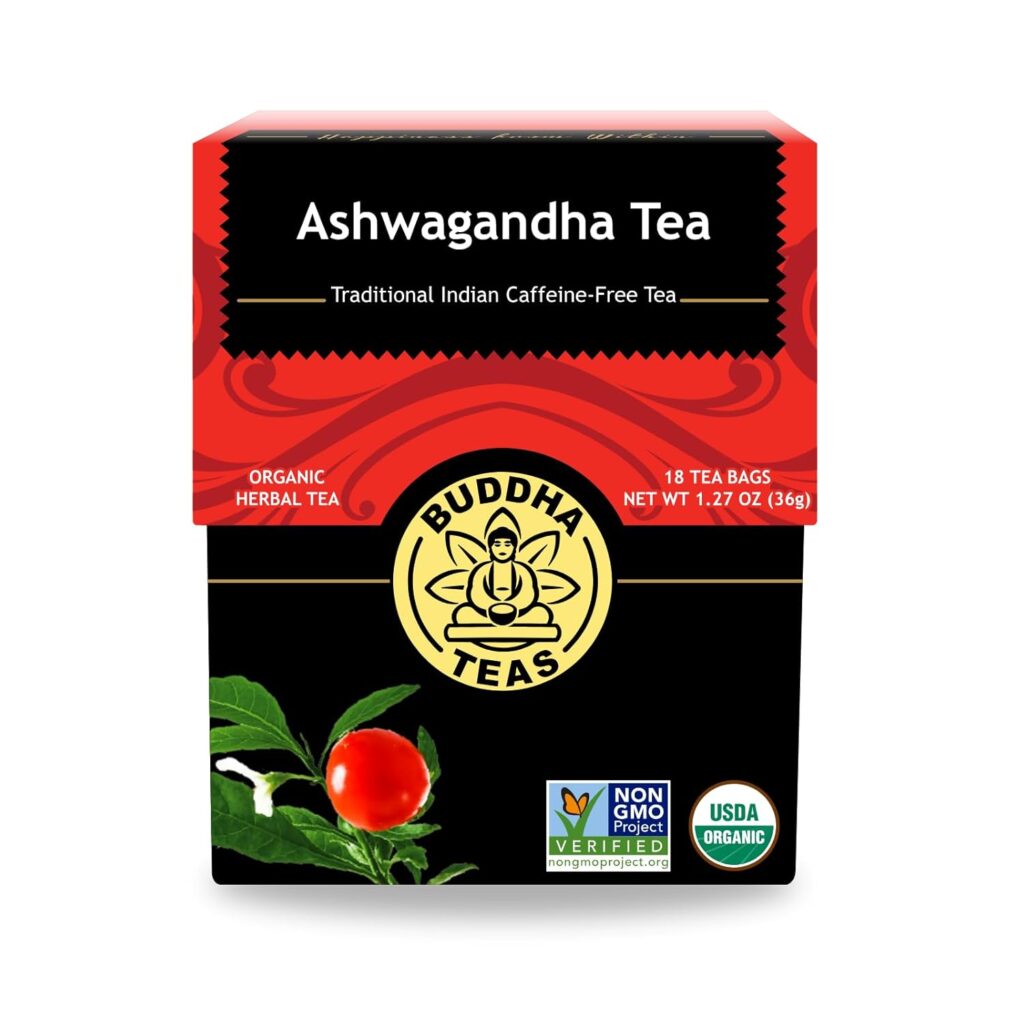
Ashwaganda Root Tea-Buddha Teas-Organic with antioxidants and minerals, caffeine-free
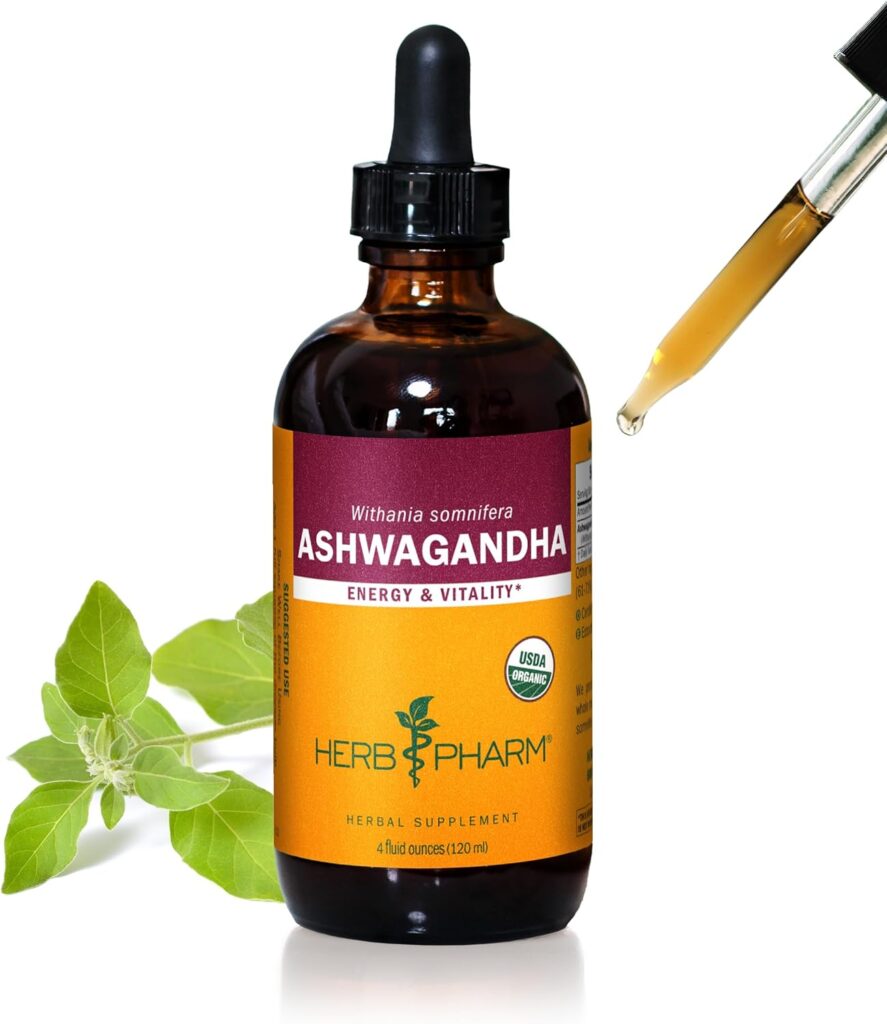
Ashwaganda Liquid Extract-Herb Farm-Organic, sugar-free, concentrated
2. Magnesium — Best for Nervous System Support and Sleep-Related Anxiety
Magnesium is involved in over 300 enzymatic reactions in the body, including those that regulate the nervous system, blood pressure, and the sleep-wake cycle. Yet surveys suggest that up to 50% of Americans don’t get enough magnesium from their diet alone.
A systematic review published in Nutrients (2017) analyzed 18 studies and concluded that magnesium supplementation is associated with reduced anxiety in vulnerable populations. The proposed mechanism involves magnesium’s ability to block NMDA receptors and regulate GABA — both of which play key roles in calming the central nervous system.
Best forms: Magnesium glycinate (highest bioavailability, gentlest on digestion) or magnesium L-threonate (crosses the blood-brain barrier more efficiently). Avoid magnesium oxide — it’s poorly absorbed.
Typical dosage: 200–400 mg daily, ideally taken at night for sleep benefits.
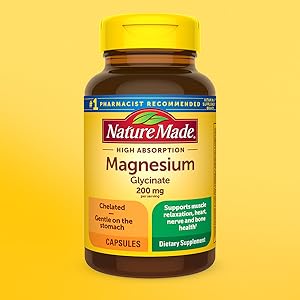
My number one recommendation is:
NatureMade Magnesium Glycinate 200mg, gluten-free, no artificial flavors, no color added, high absorption.
You can read more on Amazon
3. L-Theanine — Best for Calm Focus Without Sedation
Found naturally in green tea, L-theanine is an amino acid that has been shown to promote alpha brain wave activity — the same relaxed-yet-alert mental state associated with meditation. Unlike many supplements for anxiety, L-theanine acts within 30–60 minutes, making it uniquely useful for situational anxiety (think: before a presentation, a flight, or a difficult conversation).My
A 2019 randomized controlled trial in Nutrients found that 200 mg of L-theanine daily improved self-reported stress responses, sleep quality, and cognitive performance in healthy adults. When combined with caffeine, L-theanine also attenuates the jitteriness and anxiety that caffeine can trigger — a pairing used in many nootropic stacks.
Typical dosage: 100–400 mg per day. Safe for long-term use. No known serious side effects.
One of the best supplements for anxiety option that contains Theanine is Nuvia Lab Relax, which supports the nervous system and brain function, improves sleep quality, and helps you fall asleep.
Read more about all the benefits of Nuvia Lab Relax: read here
4. CBD (Cannabidiol) — Best for Acute Anxiety and Social Anxiety Disorder
CBD has gone from fringe wellness trend to serious research subject in less than a decade. A landmark 2019 retrospective case series published in The Permanente Journal found that 79% of patients reported decreased anxiety scores after one month of CBD use, with no major adverse events.
CBD’s anxiolytic effects are thought to work primarily through the endocannabinoid system and serotonin (5-HT1A) receptors — essentially the same pathway targeted by certain antidepressants. Research from the University of São Paulo also demonstrated that a single dose of CBD significantly reduced anxiety, discomfort, and alertness impairment during a simulated public speaking test in patients with Social Anxiety Disorder.
What to look for: Full-spectrum or broad-spectrum CBD with third-party COA (Certificate of Analysis). Avoid products that don’t disclose cannabinoid content.
5. Probiotics — Best for Gut-Brain Axis Support
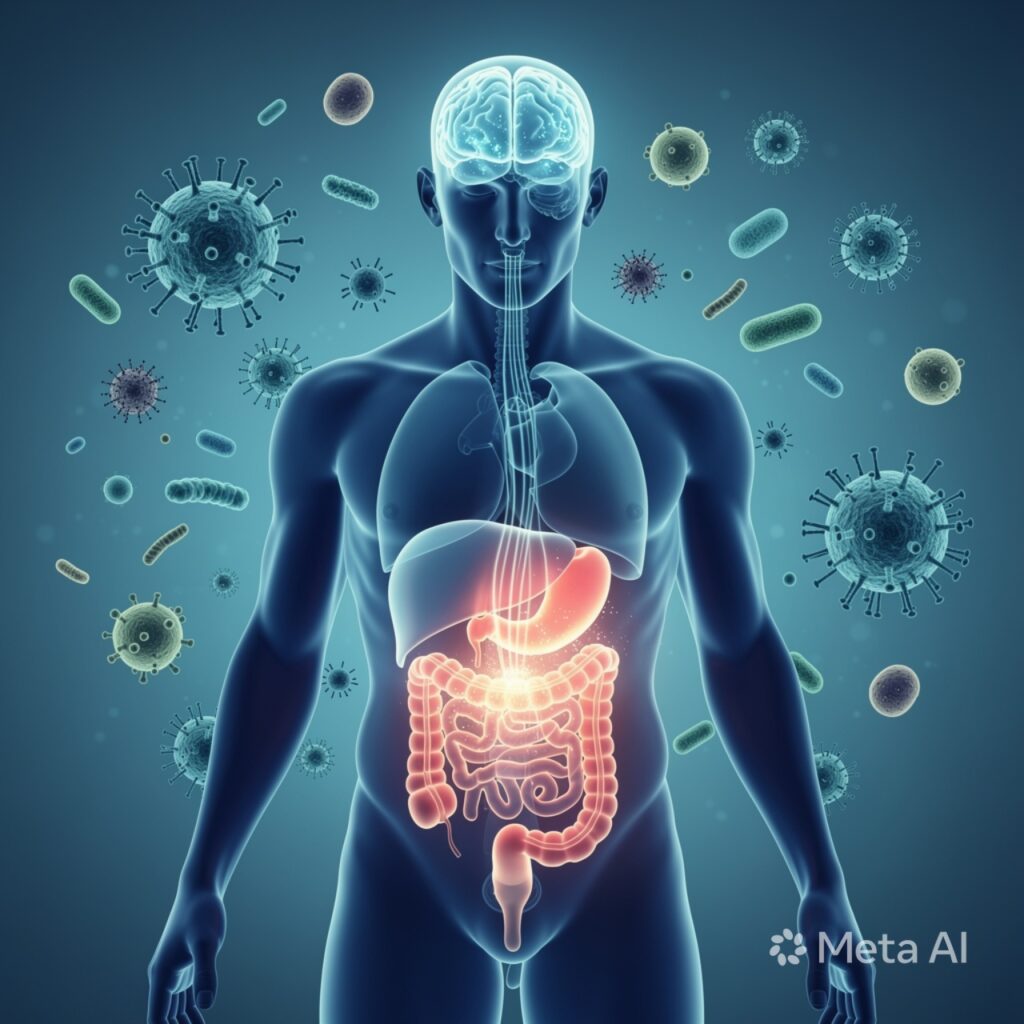
The gut-brain connection isn’t just a metaphor — it’s a bidirectional communication highway known as the gut-brain axis, mediated by the vagus nerve, immune signaling, and neurotransmitter production. Since the gut microbiome produces GABA, serotonin, and dopamine precursors, an imbalanced gut can directly contribute to anxious feelings.
A 2019 meta-analysis in General Psychiatry reviewed 34 controlled studies and found that both dietary interventions and probiotic supplementation were effective in reducing anxiety symptoms — with probiotics showing particular promise in clinical populations.
Best strains for anxiety: Lactobacillus rhamnosus, Lactobacillus helveticus R0052, and Bifidobacterium longum R0175 have the most clinical support. Look for products with at least 10–30 billion CFUs and multiple strains.
6. Rhodiola Rosea — Best for Stress-Induced Fatigue and Burnout
Rhodiola rosea is a Scandinavian adaptogen used for centuries in traditional medicine, now with a solid modern evidence base. A 2015 clinical trial published in Phytomedicine found that Rhodiola extract significantly reduced burnout symptoms, anxiety, and emotional exhaustion in stressed adults over 12 weeks — comparable to sertraline (Zoloft) but with fewer side effects and better tolerability.
One of the best supplements for anxiety is Rhodiola; it works by influencing serotonin and dopamine transport, while also inhibiting monoamine oxidase (MAO) — the enzyme that breaks down these feel-good neurotransmitters. It’s particularly well-suited for people experiencing anxiety alongside mental fatigue, brain fog, or low motivation.
Typical dosage: 200–600 mg of standardized extract (3% rosavins, 1% salidroside) per day. Best taken in the morning, as it can be mildly stimulating.
One of the best supplements that contains Rhodiola Rosea is Restilen, with the power to maintain a positive mood, reduce stress symptoms, reduce fatigue, maintain vitality, and reduce anxiety symptoms. Read more about all the benefits of Restilen: read here
7. Vitamin B Complex — Best for Mood Regulation and Energy
B vitamins — particularly B6, B9 (folate), and B12 — are critical cofactors in neurotransmitter synthesis. Without adequate B12 and folate, the body can’t efficiently produce serotonin, dopamine, or norepinephrine. Deficiency in these vitamins is strongly correlated with depression, irritability, and anxiety, especially in women, vegans, and people over 50.
A 2019 randomized controlled trial in Human Psychopharmacology found that high-dose B-complex supplementation over 30 days significantly reduced personal strain and confusion scores in healthy workers, while improving mood state.
What to look for: Choose a B-complex with methylated forms (methylcobalamin for B12, methylfolate for B9) — these are better absorbed, especially for people with MTHFR gene variants.
Now I will show you the top 2 Vitamin B complex:
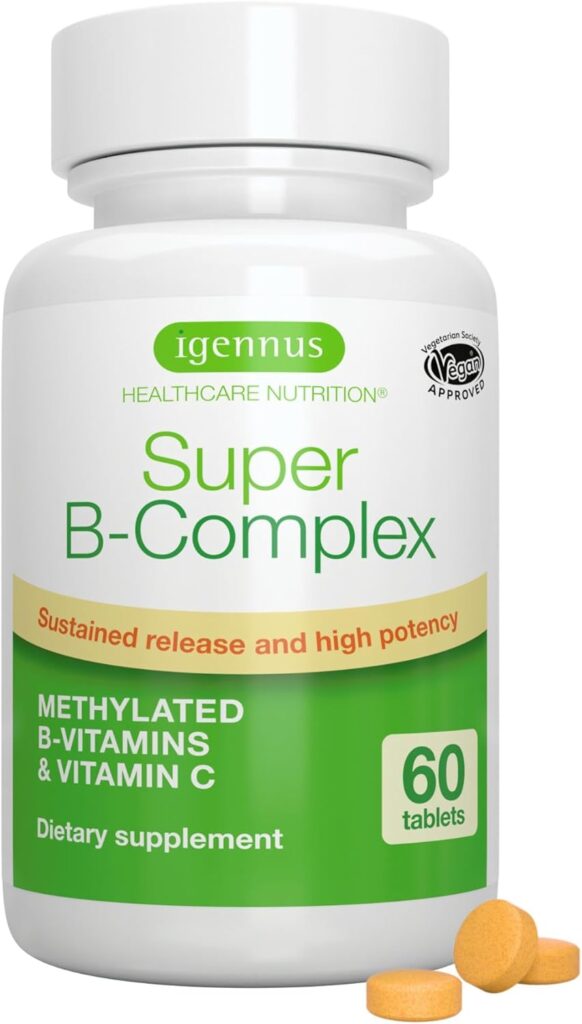
Super B-Complex– Igennus HealthCare Nutrition- with vitamin C, pure ingredients, clean label, no artificial colors, the best Amazon’s choice
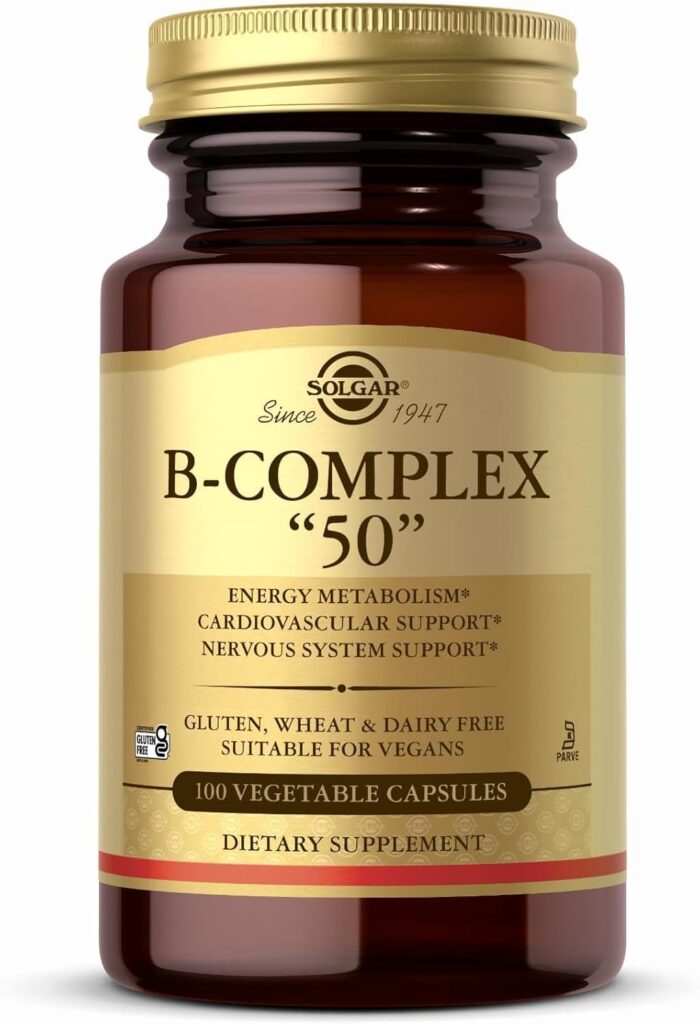
B-Complex “50”-Solgar, 100 vegetable capsules-gluten-free, no flavor, vegan, no sugar
Quick Comparison: Which Supplement for Anxiety Is Right for You?
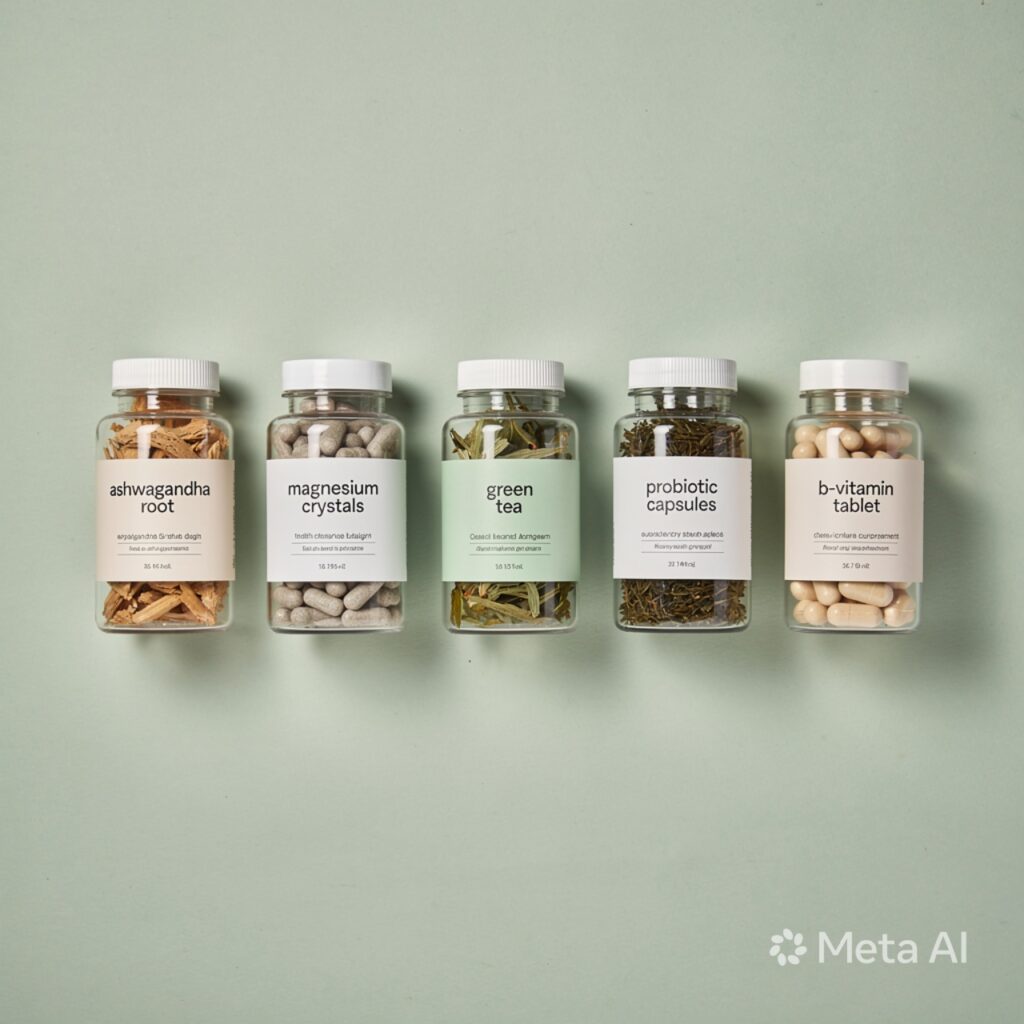
• Chronic stress & high cortisol → Ashwagandha
• Sleep-related anxiety & restlessness → Magnesium Glycinate
• Situational anxiety (before events) → L-Theanine
• Social anxiety & acute episodes → CBD
• Gut issues + anxiety combined → Probiotics
• Burnout, fatigue & low motivation → Rhodiola Rosea
• Low mood, irritability & brain fog → Vitamin B Complex
What to Look for When Buying Anxiety Supplements
Not all supplements for anxiety are created equal. The supplement industry in the US is not as strictly regulated as pharmaceuticals, which means quality can vary enormously. Here’s what separates a trustworthy product from one that’s mostly marketing:
- Third-party testing: Look for NSF Certified, USP Verified, or Informed Sport certifications. These confirm the product contains what the label says.
- Standardized extracts: For herbal supplements like ashwagandha and rhodiola, the active compound percentage matters more than total milligrams.
- Transparent labeling: Avoid proprietary blends that hide individual ingredient doses.
- Bioavailable forms: Opt for chelated minerals (magnesium glycinate vs. oxide) and methylated B vitamins when possible.
Can You Combine Supplements for Anxiety?
Yes, you can combine supplements for anxiety, and many people do. In fact, some of the most popular anxiety supplement stacks combine multiple mechanisms for a more comprehensive effect. A common evidence-based combination includes:
- Ashwagandha + Magnesium Glycinate (daytime cortisol management + nighttime nervous system support)
- L-Theanine + B Complex (calm focus + neurotransmitter support)
- Probiotics + Rhodiola (gut-brain axis + resilience to stress)
That said, always introduce one new supplement for anxiety at a time so you can monitor how your body responds. And if you’re taking SSRIs, SNRIs, blood thinners, or sedatives, consult your doctor before adding any of the above — especially St. John’s Wort, 5-HTP, or high-dose CBD.
Supplements Work Better Alongside These Lifestyle Habits
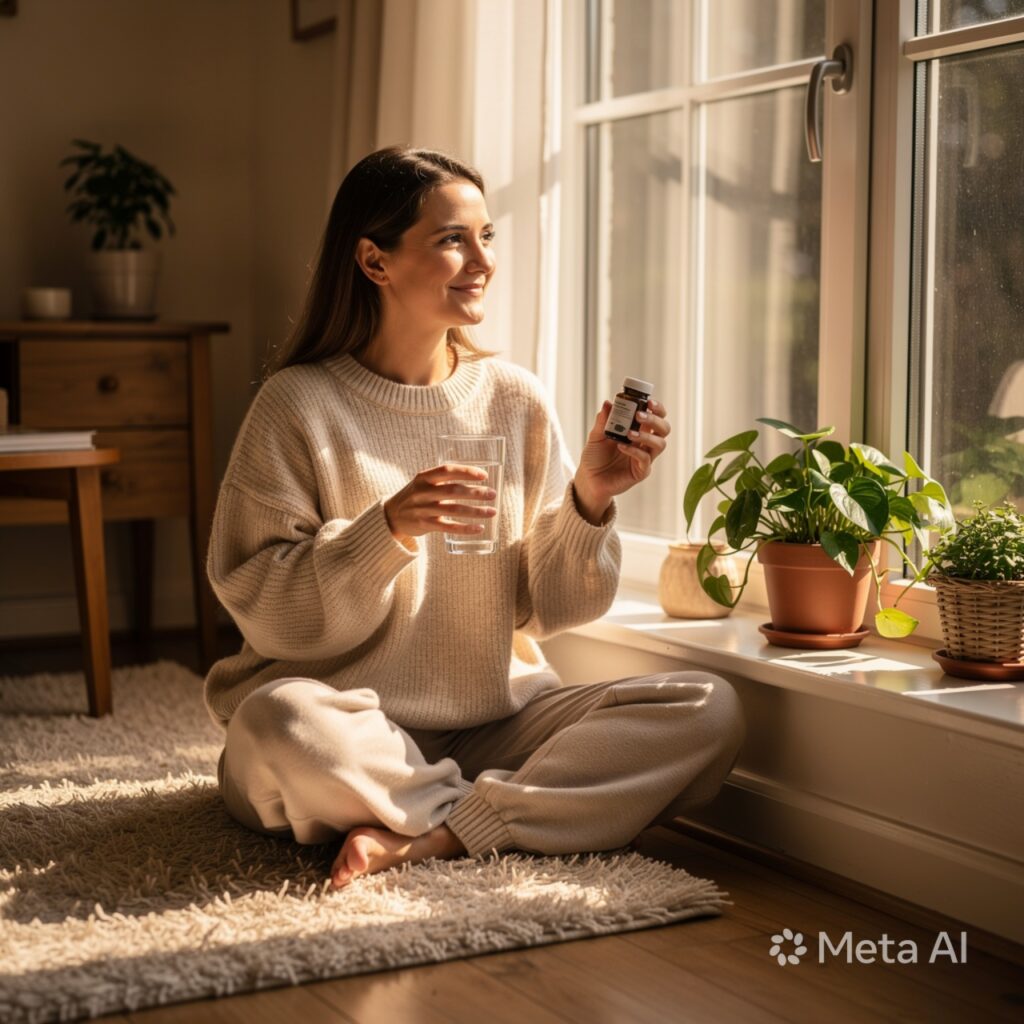
Supplements are tools, not magic. The research consistently shows they work best in the context of a lifestyle that supports mental wellness. Some evidence-backed habits that amplify the effects of anxiety supplements include:
- Regular exercise: Even 20–30 minutes of moderate aerobic exercise 3–4 times per week has been shown to reduce anxiety as effectively as medication in some studies (Harvard Medical School, 2018).
- Sleep hygiene: Most supplements for anxiety — especially magnesium and ashwagandha — show stronger effects when combined with 7–9 hours of quality sleep.
- Reducing caffeine and alcohol: Both can dysregulate cortisol and disrupt GABA signaling, counteracting the calming effects of your supplement routine.
- Mindfulness and breathing practices: Diaphragmatic breathing and meditation activate the parasympathetic nervous system — the same system that supplements like L-theanine and magnesium help regulate.
Feeling overwhelmed, restless, or mentally drained? Small changes in your daily routine can make it easier to create more moments of calm and balance.
Our free YourVitaHub Wellness Guide — Natural Ways to Reduce Anxiety brings together 9 simple, practical habits you can start using in everyday life — without complicated routines or an overnight lifestyle overhaul.
Frequently Asked Questions About Supplements for Anxiety
How long does it take for anxiety supplements to work?
It depends on the supplement. L-theanine and CBD can produce noticeable effects within 30–60 minutes. Adaptogens like ashwagandha and rhodiola typically require 4–8 weeks of consistent use before full benefits are felt. Magnesium’s effects on sleep and muscle tension may appear within days.
Are natural supplements for anxiety safe long-term?
Most of the supplements covered in this article — ashwagandha, magnesium, L-theanine, probiotics, and B vitamins — have a strong safety profile and are considered safe for long-term use at recommended doses. CBD has been used safely in clinical trials lasting up to 12 weeks. Rhodiola is generally used in cycles (e.g., 6–8 weeks on, 2 weeks off). Always consult your healthcare provider for personalized guidance.
Can supplements replace therapy or medication for anxiety?
No. Supplements can be a valuable part of a wellness strategy, but moderate to severe anxiety disorders typically require professional intervention — whether that’s cognitive behavioral therapy (CBT), medication, or both. Think of supplements as supportive tools, not standalone treatments.
Final Thoughts: Finding What Works for You
The good news: you have more tools available than ever before. Whether you’re dealing with occasional pre-meeting nerves, persistent background worry, or the kind of exhaustion that comes from years of running on adrenaline, there’s likely at least one supplement for anxiety on this list worth exploring.
Start with one. Give it 4–8 weeks. Track how you feel. Then decide whether to add, adjust, or switch. Your nervous system didn’t get overwhelmed overnight — and rebuilding resilience takes time, too.
The supplements listed above are not just trends — they’re backed by peer-reviewed research, used by integrative medicine practitioners, and safe for most adults when taken as directed. That’s a solid foundation to start from.
Scientific References
1. Chandrasekhar K, et al. (2012). A prospective, randomized double-blind study of the effects of ashwagandha root extract on anxiety. Indian Journal of Psychological Medicine.
2. Boyle NB, et al. (2017). The effects of magnesium supplementation on subjective anxiety. Nutrients.
3. Williams JL, et al. (2019). The effects of green tea amino acid L-theanine consumption on the ability to manage stress and anxiety levels. Plant Foods for Human Nutrition.
4. Shannon S, et al. (2019). Cannabidiol in anxiety and sleep: A large case series. The Permanente Journal.
5. Yang B, et al. (2019). Effects of regulating intestinal microbiota on anxiety symptoms: A systematic review. General Psychiatry.
6. Cropley M, et al. (2015). The effects of Rhodiola rosea on stress-related burnout. Phytomedicine.
7. Kennedy DO, et al. (2019). Effects of high-dose B-vitamin complex with vitamin C and minerals on subjective mood and performance. Human Psychopharmacology.






Post Comment