
How to Manage Chronic Stress Naturally: Science-Backed Strategies to Reclaim Your Mental Well-Being
Table of Contents
This article contains affiliate links. If you purchase through them, we may earn a small commission at no extra cost to you. We only recommend products aligned with the science discussed in this article.
Published: May 2026 | Reading time: ~10 min | Category: Mental Health & Wellness
Introduction: When Everyday Stress Becomes a Silent Health Crisis
We all feel stressed from time to time. A looming deadline, an unexpected bill, a difficult conversation — these everyday pressures are part of life. But what happens when stress stops being a temporary spike and starts being your permanent baseline?
If you wake up tired, spend the day anxious, and go to bed unable to switch off your mind, you are not alone. Chronic stress has become one of the most widespread and underestimated health problems of the 21st century — and millions of people are living with it without even realizing the toll it is taking on their bodies and minds.
This article is a deep-dive guide into how to manage chronic stress naturally, covering the science behind what stress does to your body, the warning signs that things have gone too far, and the most effective evidence-based strategies — including adaptogenic herbs, lifestyle adjustments, and nutritional support — that can help you build real, lasting resilience.
1. What Is Chronic Stress — and Why It’s Different from Normal Stress

Stress, in its original biological form, is a survival mechanism. When your brain perceives a threat — whether a predator or a work presentation — it triggers the hypothalamic-pituitary-adrenal (HPA) axis, flooding your bloodstream with adrenaline and cortisol. Your heart rate spikes, your muscles tense, your focus narrows. This is the famous “fight-or-flight” response, and it is extraordinarily efficient at helping you survive short-term danger.
The problem is that this system was never designed to stay switched on indefinitely.
Chronic stress occurs when stress triggers are persistent and the body never fully returns to its resting baseline. The cortisol tap stays open. Over weeks and months, this relentless hormonal activation begins to damage nearly every system in the body — from the immune system and the cardiovascular system to digestion, cognition, and mood regulation.
Unlike acute stress, which resolves itself naturally, chronic stress requires deliberate intervention. It does not go away on its own simply because the stressor eventually disappears. The body becomes conditioned to a heightened state of alertness, and recalibrating that baseline takes consistent, targeted effort.
2. How Chronic Stress Affects Your Body and Mind
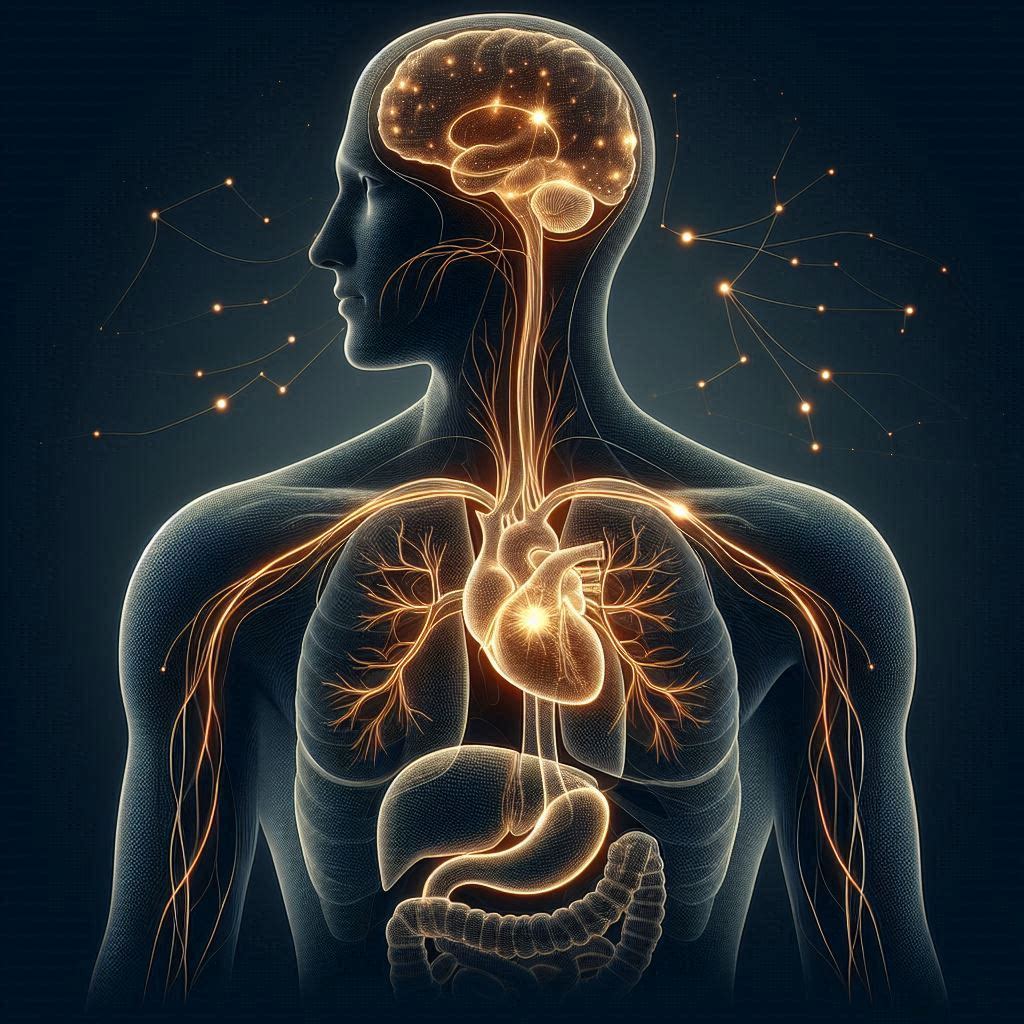
Understanding what stress actually does to your biology is the first step toward taking it seriously. Here is what the science tells us:
Cardiovascular System
Sustained high cortisol levels raise blood pressure and increase heart rate. Over time, this puts significant strain on the heart and blood vessels, raising the risk of hypertension, heart disease, and stroke. Research consistently shows that chronically stressed individuals have a significantly elevated cardiovascular risk profile compared to those with better stress regulation.
Immune System
Cortisol is a natural anti-inflammatory — which is useful in short bursts. But when it stays chronically elevated, the immune system becomes dysregulated. People under long-term stress get sick more often, take longer to recover, and are more susceptible to autoimmune flares and chronic inflammation.
Digestive System
The gut has its own nervous system — the enteric nervous system — which communicates directly with the brain via the vagus nerve. Chronic stress disrupts gut motility, alters the microbiome, increases intestinal permeability, and is strongly associated with irritable bowel syndrome (IBS), acid reflux, and peptic ulcers.
Brain and Cognitive Function
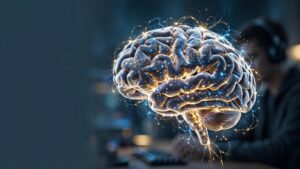
Prolonged cortisol exposure literally shrinks the hippocampus — the brain region responsible for memory and learning. It also impairs the prefrontal cortex, which governs decision-making, impulse control, and rational thought. This is why stressed people forget things more easily, make worse decisions, and struggle to concentrate.
Mood and Emotional Regulation
Chronic stress depletes serotonin and dopamine — the neurotransmitters most associated with well-being, motivation, and pleasure. It also dysregulates GABA, the brain’s primary inhibitory neurotransmitter, making it harder to calm down and relax. The result is a persistent undercurrent of anxiety, irritability, and emotional exhaustion.
3. Warning Signs You Are Living With Unmanaged Stress

Many people normalize their stress symptoms because they develop gradually. Here are the most common signs that your stress levels have crossed into territory that requires attention:
- Persistent fatigue — feeling tired even after a full night’s sleep
- Difficulty falling or staying asleep — a racing mind that won’t quiet down at bedtime
- Frequent headaches or muscle tension, particularly in the neck, jaw, and shoulders
- Digestive issues — bloating, cramping, irregular bowel habits
- Difficulty concentrating — brain fog, forgetfulness, poor decision-making
- Irritability or sudden anger bursts over small things
- Increased anxiety — a sense of dread or unease with no clear cause
- Weakened immune system — getting sick frequently or taking longer to recover
- Social withdrawal — losing interest in activities or people you used to enjoy
- Emotional numbness — feeling detached, flat, or unable to feel joy
If several of these resonate with you, your nervous system is likely under significant strain and is sending clear signals that it needs support.
4. The Role of Adaptogens in Natural Stress Relief

One of the most exciting and well-researched areas of natural stress management is adaptogenic herbs. Adaptogens are a specific class of plants and fungi that help the body adapt to physical, chemical, and biological stressors — essentially recalibrating the stress response system rather than suppressing it.
The term was first coined by Soviet pharmacologist Nikolai Lazarev in 1947, and decades of research — particularly from Scandinavian, Russian, and Chinese scientific institutions — have built a compelling body of evidence around several key adaptogens.
What makes adaptogens uniquely valuable is their bidirectional, normalizing effect: they do not simply sedate you or artificially stimulate you. Instead, they help move the body toward homeostasis — calming an overactivated stress response while simultaneously supporting energy and cognitive function. This makes them fundamentally different from sedatives, anxiolytics, or stimulants.
5. Key Natural Ingredients Scientifically Linked to Stress Reduction
Rhodiola Rosea (Golden Root)
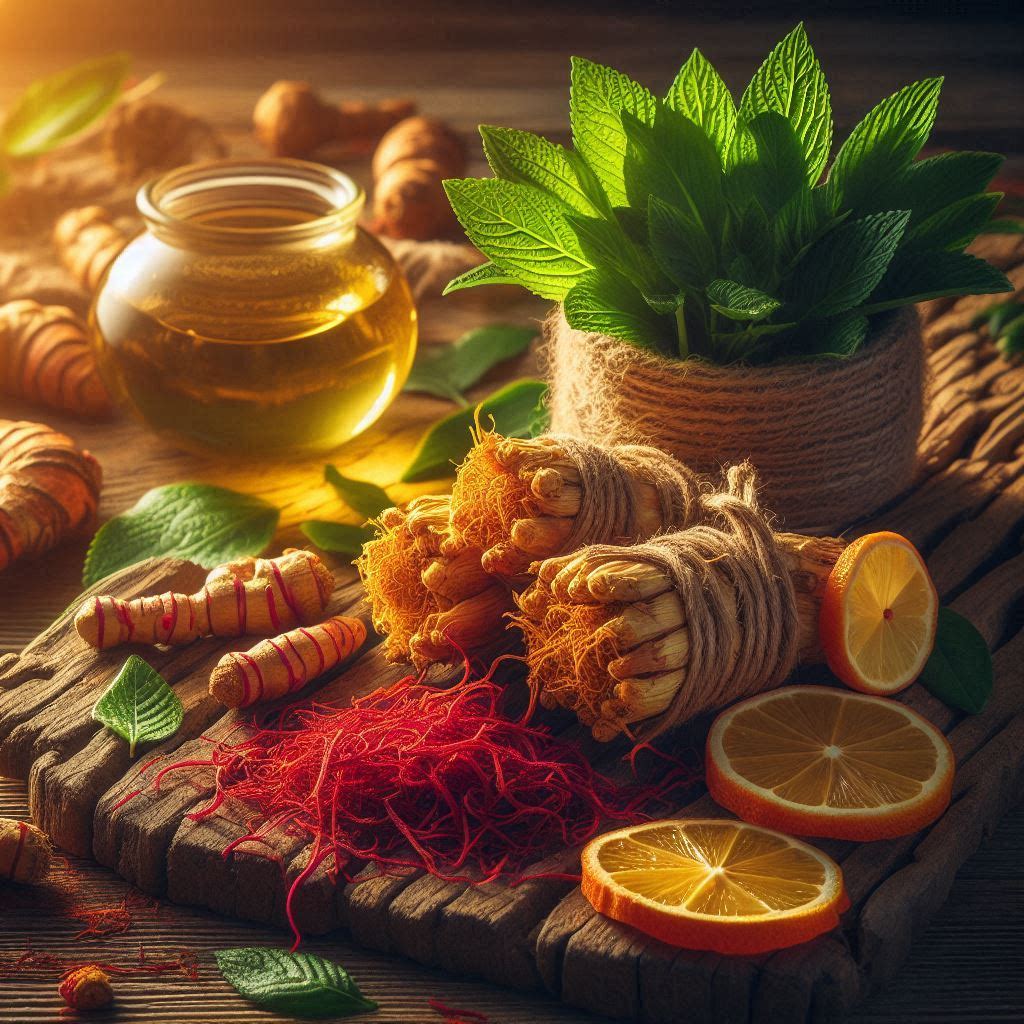
Rhodiola rosea is among the most thoroughly studied adaptogens in the world. Standardized extracts — particularly those containing rosavins and salidrosides — have been shown in multiple clinical trials to:
- Reduce perceived stress and fatigue in people under mental and occupational stress
- Improve mood and emotional resilience
- Support cognitive performance — including concentration, memory, and mental stamina — under pressure
- Enhance physical endurance by reducing cortisol’s negative effects on the body
Rhodiola works partly by influencing the activity of key neurotransmitters including serotonin, dopamine, and norepinephrine, and by modulating the stress hormone cascade via the HPA axis. Its stimulating effects on the central nervous system are comparable in some studies to those of caffeine — but without the jitteriness, anxiety, or energy crashes associated with stimulants.
Valerian Root
Valerian (Valeriana officinalis) has been used medicinally for over 2,000 years and is one of the most widely studied natural relaxants. Its primary active compounds — valerenic acid and isovaleric acid — interact with GABA receptors in the brain, producing a calming effect that reduces anxiety and supports sleep quality.
Unlike pharmaceutical GABA enhancers (such as benzodiazepines), valerian root does not appear to cause dependence or significant next-day sedation at standard doses, making it a safer long-term option for mild-to-moderate anxiety and sleep difficulties.
Lemon Balm (Melissa officinalis)
Lemon balm is a member of the mint family with a long history of use for anxiety and sleep disorders. Research shows it inhibits the enzyme GABA transaminase, which breaks down GABA — thereby increasing GABA availability in the brain and producing mild sedation and anxiolytic effects.
Clinical studies have shown that lemon balm supplementation significantly reduces self-reported anxiety, stress, and mood disturbances, often within a few weeks of consistent use.
Passionflower (Passiflora incarnata)
Passionflower is another GABA-modulating herb with solid clinical evidence behind it. Studies have found it comparable to some pharmaceutical anxiolytics in reducing generalized anxiety — without the side effect profile. It is particularly noted for its ability to reduce nervous tension and improve sleep onset.
Hop Cones (Humulus lupulus)
Hops — best known as a beer ingredient — contain compounds that act as mild sedatives and anxiolytics, primarily by reducing the activity of excitatory neurotransmitters. When combined with valerian and lemon balm, hops show synergistic calming effects greater than any single herb alone.
Saffron (Crocus sativus)
Saffron is emerging as one of the most promising natural mood-supporting botanicals. Standardized saffron extracts have been studied in clinical trials for their ability to:
- Support positive mood and emotional balance
- Reduce symptoms of stress and mild-to-moderate anxiety
- Improve sleep quality and reduce time to sleep onset
The active compounds — particularly safranal and crocin — appear to modulate serotonin reuptake, similar in mechanism (though far milder in effect) to some conventional antidepressants. Several meta-analyses have concluded that saffron supplementation shows statistically significant benefits for mood disorders.
Sweet Orange Peel Extract (Limonene)
Less well-known but increasingly researched, sweet orange peel extract standardized for limonene has demonstrated interesting neurological activity. Specific research has identified interactions with adenosine (A2A) receptors in the brain — receptors that play a role in modulating the dopaminergic stress response system. By occupying these receptors, limonene-rich orange extract may help regulate the neurochemical cascade triggered by stress.
A 12-week clinical trial found that participants using standardized sweet orange peel extract showed significant improvements on validated stress and anxiety assessment scales — including the Hamilton Anxiety Scale — compared to placebo, with notable effects already visible at week six.
L-Theanine (from Green Tea)
L-theanine is a naturally occurring amino acid found almost exclusively in tea leaves. It is one of the most well-studied natural anxiolytics and has a unique ability to produce calm alertness — reducing anxiety and stress without causing sedation or impairing cognitive performance.
L-theanine increases alpha brain wave activity (associated with relaxed focus), boosts GABA levels, and modulates glutamate — the brain’s primary excitatory neurotransmitter. It pairs exceptionally well with adaptogens and B vitamins for comprehensive nervous system support.
Cantaloupe Melon Juice Concentrate (SOD — Superoxide Dismutase)
One often-overlooked dimension of chronic stress is its impact on oxidative stress. Cortisol itself promotes the generation of reactive oxygen species (ROS) — free radicals that damage cells and accelerate aging. Superoxide dismutase (SOD) is one of the body’s most important endogenous antioxidant enzymes, and its activity tends to decline under chronic stress.
Bioavailable SOD derived from cantaloupe melon concentrate — formulated to survive digestion — has been studied for its ability to stimulate the body’s own antioxidant defense systems, reduce oxidative markers, decrease feelings of fatigue, and improve sleep quality. It represents a novel approach to stress support that targets the biochemical damage pathway rather than just the psychological symptoms.
💡 Looking for a formula that combines these ingredients? Some multi-ingredient supplements bring Rhodiola, saffron extract, and SOD together in a single daily capsule — which removes the guesswork of sourcing and stacking them separately. See one example here
6. The Gut-Brain-Stress Connection
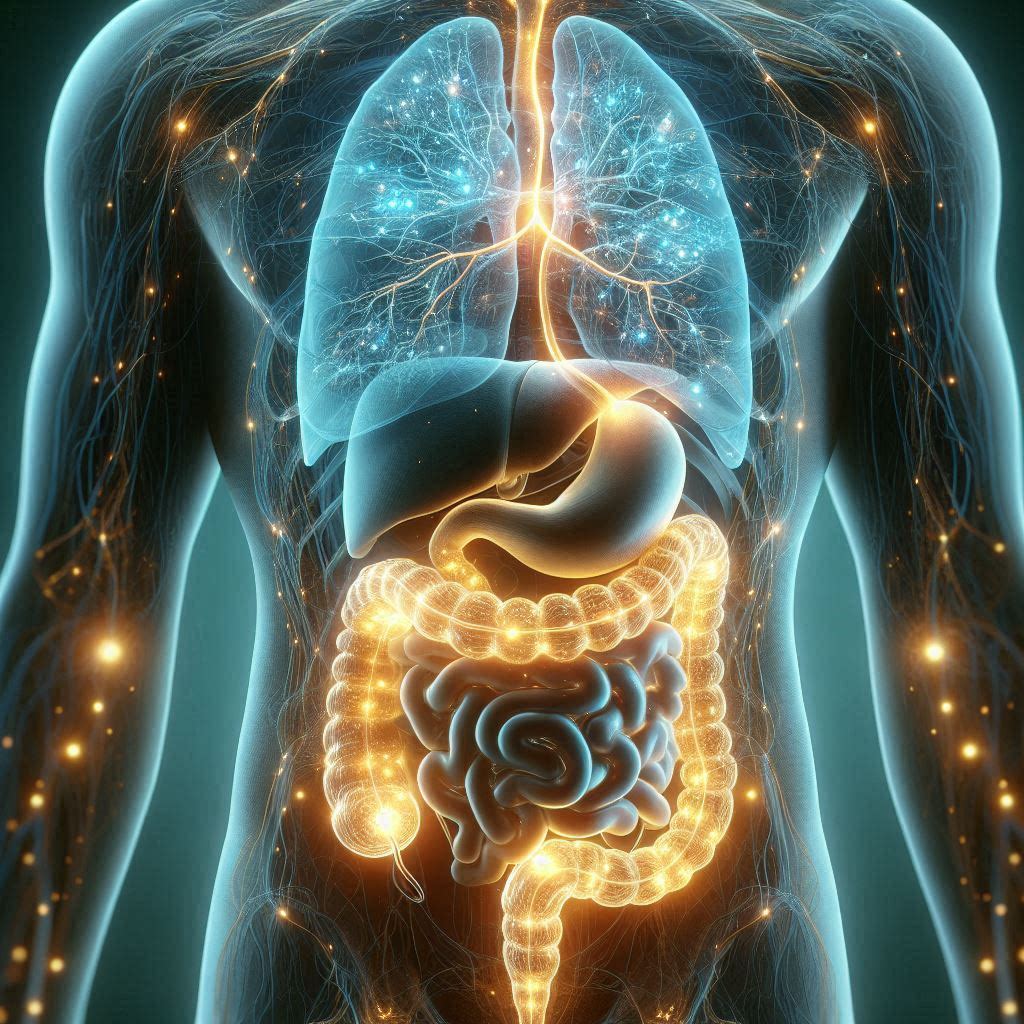
Modern neuroscience has completely reframed our understanding of stress and mood by revealing just how deeply the gut and brain are intertwined. The gut is home to the enteric nervous system — sometimes called the “second brain” — which contains more neurons than the spinal cord and communicates bidirectionally with the brain via the vagus nerve and the systemic circulation.
Critically, approximately 90–95% of the body’s serotonin is produced in the gut — not the brain. This means that gut health has a profound impact on mood, stress regulation, and anxiety.
Chronic stress disrupts the gut microbiome — the community of trillions of bacteria that live in the intestines and play a central role in immune function, inflammation regulation, and neurotransmitter synthesis. This creates a feedback loop: stress dysregulates the gut, a dysregulated gut amplifies the stress response, and the cycle perpetuates itself.
Supporting gut health through diet, adequate fiber, fermented foods, and targeted supplementation is therefore a genuinely evidence-based strategy for reducing chronic stress — not an alternative fringe approach.
7. Sleep, Stress, and the Vicious Cycle

Perhaps the most damaging relationship in the chronic stress ecosystem is the one between stress and sleep.
Elevated cortisol in the evening — which is abnormal; cortisol should be at its lowest at night — suppresses melatonin production and keeps the nervous system in an activated state. The result is an inability to fall asleep, frequent nighttime waking, and non-restorative sleep. You wake up tired. Fatigue makes you more vulnerable to stress. More stress elevates cortisol. The cycle continues.
Poor sleep independently:
- Raises cortisol levels the next day
- Impairs emotional regulation and increases irritability
- Reduces activity in the prefrontal cortex (rational decision-making)
- Increases amygdala reactivity (emotional threat-detection)
- Suppresses immune function
Breaking this cycle requires addressing both stress and sleep simultaneously. Herbs like valerian, passionflower, and lemon balm that target both anxiety and sleep quality are particularly relevant here, as are behavioral strategies like maintaining a consistent sleep schedule, reducing blue light exposure after 8pm, and creating a wind-down ritual.
💡 Looking for a formula with 10 ingredients that helps sleep? See one example here
8. Lifestyle Habits That Build Long-Term Stress Resilience

Natural supplementation works best when embedded within a broader lifestyle framework. Here are the most evidence-supported behavioral strategies for building genuine resilience to stress:
Regular Physical Exercise
Exercise is arguably the single most powerful stress-reduction intervention available. It directly lowers cortisol, increases serotonin and dopamine, stimulates BDNF (brain-derived neurotrophic factor — which supports brain plasticity and mood), and improves sleep quality. Even 20–30 minutes of moderate-intensity aerobic exercise three to four times per week produces measurable benefits for stress and anxiety within weeks.
Mindfulness and Breathwork
Controlled breathing practices — particularly slow diaphragmatic breathing at a rate of approximately five to six breaths per minute — activate the parasympathetic nervous system (the “rest and digest” counterpart to “fight or flight”) and rapidly reduce cortisol and heart rate. Mindfulness meditation, practiced consistently, has been shown in dozens of randomized controlled trials to reduce perceived stress, anxiety, and depressive symptoms.
Time in Nature
Research consistently shows that spending time in natural environments — forests, parks, coastlines — reduces cortisol, lowers blood pressure, improves mood, and enhances immune function. The Japanese concept of shinrin-yoku (forest bathing) has been particularly well-studied, with measurable cortisol reductions observed after as little as 20–30 minutes among trees.
Digital Boundaries
Constant connectivity — notifications, news cycles, social media — is one of the primary drivers of modern chronic stress. The brain’s threat-detection system cannot distinguish between a genuine physical danger and a distressing news headline. Setting intentional limits on screen time, especially in the hours before sleep, is a meaningful and underutilized stress management tool.
Social Connection
Loneliness and social isolation are as physiologically damaging as smoking in terms of their impact on longevity and health outcomes. Meaningful social connection activates the oxytocin system, reduces cortisol, and provides the emotional co-regulation that the nervous system needs. Investing in relationships is not merely feel-good advice — it is evidence-based stress medicine.
9. Nutritional Deficiencies That Make Stress Worse
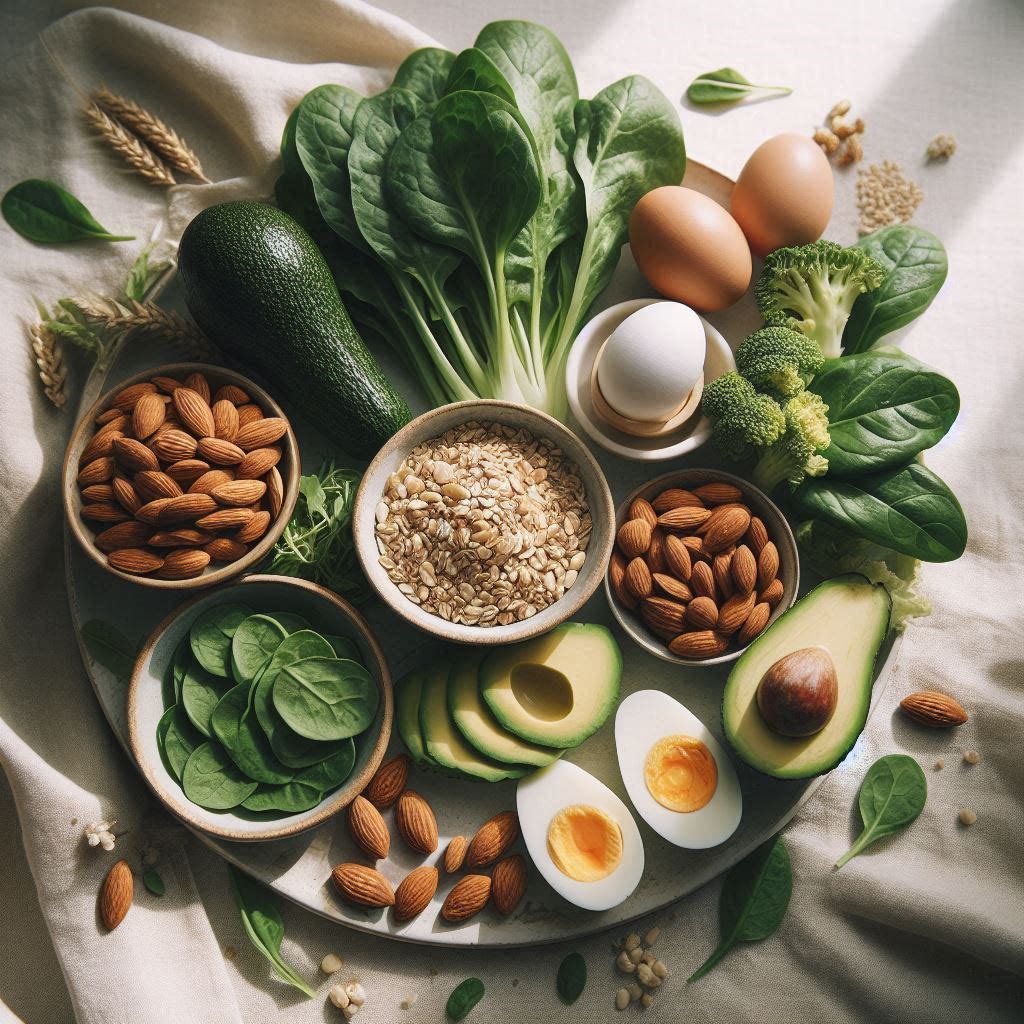
Nutrition plays a surprisingly large role in how vulnerable we are to stress. Several specific deficiencies are directly linked to impaired stress regulation:
Magnesium
Magnesium is required for over 300 enzymatic reactions in the body, many of which are involved in energy metabolism and nervous system function. It is also a natural NMDA receptor antagonist — meaning it reduces excitatory neuronal activity and has an inherent calming effect. Unfortunately, magnesium is one of the most common dietary deficiencies in the developed world, and chronic stress itself depletes magnesium stores — creating yet another vicious cycle.
Signs of magnesium deficiency include muscle cramps, insomnia, anxiety, irritability, and fatigue — a list that maps almost perfectly onto the symptom profile of chronic stress.
B Vitamins
The B vitamin complex — thiamine (B1), riboflavin (B2), niacin (B3), pantothenic acid (B5), B6, folate (B9), and B12 — is collectively essential for:
- Energy production at the cellular level (ATP synthesis)
- Healthy neurotransmitter synthesis (serotonin, dopamine, GABA)
- Myelin sheath integrity (the protective coating around nerve fibers)
- Regulation of homocysteine (elevated homocysteine is linked to depression and cognitive decline)
B vitamin deficiencies are extremely common, particularly in people who eat poorly under stress, drink alcohol regularly, or follow restrictive diets. Supplementing with a complete B complex is one of the most practical and evidence-based steps a chronically stressed person can take to support their nervous system.
10. Frequently Asked Questions About Natural Stress Management
Q: Can natural approaches really work for serious stress and anxiety? A: For mild-to-moderate chronic stress and generalized anxiety, natural interventions — particularly adaptogens, targeted nutrients, and lifestyle changes — have substantial clinical evidence behind them. They are generally safer for long-term use than pharmaceutical options and address root causes rather than symptoms. For severe anxiety disorders or clinical depression, professional medical support is important and should not be replaced by supplementation alone.
Q: How long does it take for natural stress-relief strategies to work? A: This varies by approach. Breathwork and exercise can produce noticeable effects within a single session. Herbal adaptogens like Rhodiola typically show meaningful benefits within two to four weeks of consistent daily use, with optimal effects observed at six to twelve weeks. Nutritional interventions like magnesium and B vitamins may show improvements within a few weeks if deficiency was a factor.
Q: Are adaptogenic herbs safe to use long-term? A: Most well-studied adaptogens — Rhodiola, lemon balm, valerian, passionflower — have good long-term safety profiles when used at standard doses. As with any supplement, it is advisable to check for interactions with existing medications and consult a healthcare professional if you have underlying health conditions.
Q: Is stress always bad? A: No. Short-term, acute stress — sometimes called “eustress” — can be motivating, performance-enhancing, and even immunologically beneficial. The problem arises when the stress response is chronic, disproportionate, or uncontrolled. The goal of stress management is not to eliminate stress entirely but to build the resilience to handle it without it overwhelming your system.
Q: What is the fastest natural way to calm down during an acute stress episode? A: Slow diaphragmatic breathing (breathe in for 4 counts, hold for 4, out for 6–8) is the single fastest evidence-based method to activate the parasympathetic nervous system and lower cortisol in the moment. Cold water on the face also triggers the mammalian dive reflex and slows heart rate rapidly. Longer-term, consistent use of adaptogens and magnesium raises your baseline resilience so acute spikes feel more manageable.
Conclusion: Reclaiming Your Nervous System

Chronic stress is not a personal failing or a sign of weakness. It is a physiological condition — driven by real hormonal, neurochemical, and nutritional imbalances — that responds to real, targeted interventions.
The good news is that the science of stress resilience has matured enormously. We now know which adaptogens work and why. We understand the gut-brain axis. We have clinical evidence for specific nutrients that support nervous system function. We understand how sleep, exercise, social connection, and digital habits feed into or deplete our stress reserves.
The path forward is not about doing one thing perfectly. It is about stacking well-chosen, evidence-backed strategies — natural botanicals, lifestyle changes, and nutritional support — consistently over time. That is how lasting resilience is built.
If you are struggling with chronic stress, the most important first step is simply acknowledging that what you are experiencing is real, it has biological roots, and there is a genuine, scientifically informed path to feeling better.
Your Next Step Starts Today
Understanding the science of stress is powerful — but knowledge only becomes transformation when paired with action.
If you have read this far, your nervous system is already sending you a message. The question is not whether chronic stress is affecting your health. The question is what you are going to do about it today.
Start with one change. A consistent sleep schedule. A magnesium supplement. Ten minutes of breathwork in the morning. Or a well-formulated adaptogenic supplement that brings together the clinically studied ingredients covered in this article.
Small, consistent steps compound. Your nervous system rebuilt its stress patterns gradually — and it can rebuild its resilience the same way.
The best time to start was six months ago. The second best time is now.








3 comments