
Skin Anatomy & Skincare Routine for Beginners: How to Build a Simple Routine for Your Skin Type
This article may contain affiliate links. If you purchase through one of these links, we may earn a small commission at no additional cost to you. We only recommend products and categories that are relevant to the content.
Table of Contents
Skincare does not have to mean a crowded bathroom shelf or a complicated 10-step routine.
If you are just getting started, one of the most useful things you can do is understand how your skin works, what your skin type needs, and what each skincare product is actually supposed to do.
Your skin is not simply a surface that needs to look good. It is a complex organ that helps protect your body from the outside environment, limits excessive water loss, participates in temperature regulation, and contains structures such as hair follicles, sweat glands, sebaceous glands, nerves, and blood vessels.
Once you understand that, skincare becomes much easier to approach.
Instead of asking, “What are the most products I can use?” a better question is:
What does my skin actually need?
For most people, a basic routine begins with just three priorities:
cleanse gently, moisturize appropriately, and protect your skin from the sun.
Dermatologists from the American Academy of Dermatology similarly emphasize that consistency with a few appropriate products can be more useful than automatically following an elaborate multi-step routine.
In this beginner’s guide, you’ll learn how your skin is structured, how to identify your general skin type, how to build a simple morning and evening skincare routine, and how to choose products without overwhelming your skin—or yourself.
Skin Anatomy 101: Understanding the Layers of Your Skin
Before choosing a cleanser, serum, moisturizer, or sunscreen, it helps to understand what those products are being applied to.
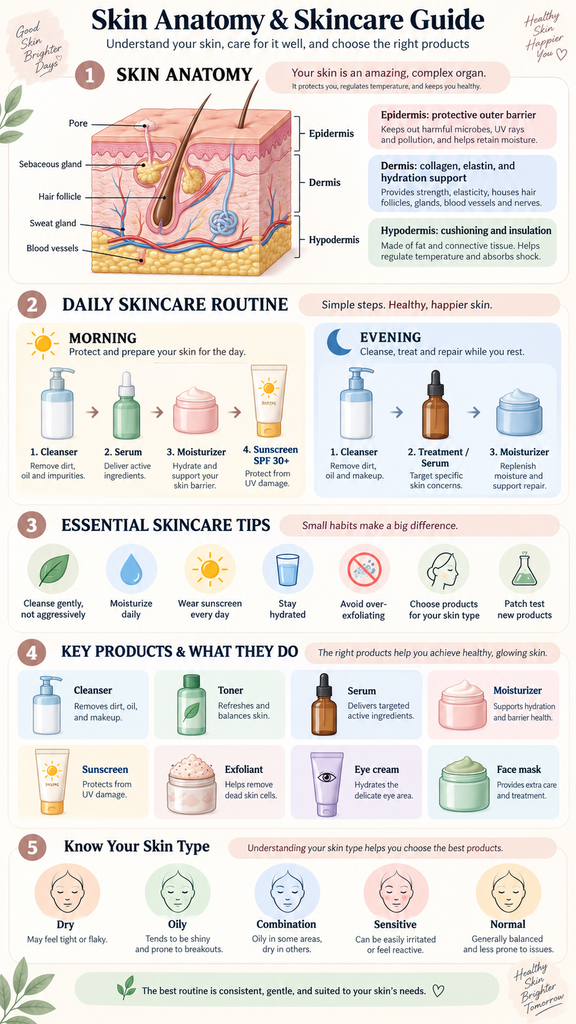
Human skin is commonly described as having three main layers:
- the epidermis
- the dermis
- the hypodermis, or subcutaneous layer.
Epidermis: Your Outer Protective Layer
The epidermis is the outermost layer of the skin.
It helps create a barrier between your body and the environment and contributes to protection against excessive water loss, microorganisms, chemicals, mechanical injury, and ultraviolet exposure.
The outer portion of the epidermis is especially important when people talk about the skin barrier.
This is why aggressive cleansing, excessive exfoliation, or constantly changing products can sometimes leave skin feeling dry, tight, irritated, or uncomfortable.
Dermis: Support, Strength, and Structure
Beneath the epidermis is the dermis.
The dermis contains connective tissue rich in structural components such as collagen, along with blood vessels, sensory structures, sweat glands, sebaceous glands, and hair follicles.
It gives the skin much of its strength, resilience, and structural support.
Hypodermis: Cushioning and Insulation
The hypodermis lies beneath the dermis and contains connective tissue and fat.
It helps provide cushioning and insulation and contains larger blood vessels and other structures.
What Is the Skin Barrier?
You may have seen phrases such as “support your skin barrier,” “damaged skin barrier,” or “barrier repair skincare” everywhere online.
But what does the skin barrier actually mean?
The protective barrier is largely associated with the outermost part of the epidermis. This surface helps reduce excessive water loss while protecting the body from external environmental challenges.
Lipids, including ceramides, are part of the complex structure that contributes to epidermal barrier function.
A simple way to think about it is this:
Your skin barrier is not something you need to constantly “attack” with stronger products.
For many people, good skincare is partly about protecting what the skin already does naturally.
Everyday habits that can be gentler on your skin barrier
Consider:
- using a mild facial cleanser rather than aggressively scrubbing;
- avoiding very hot water on the face;
- moisturizing consistently;
- introducing new active products gradually;
- avoiding unnecessary over-exfoliation;
- using daily sun protection;
- paying attention when a product repeatedly causes burning, significant redness, or irritation.
The AAD notes that exfoliation is not appropriate for everyone and that improper exfoliation can increase irritation, redness, or breakouts.
Can Chronic Stress Affect Your Skin?
Your skincare routine is only one part of the bigger picture. Chronic psychological stress can influence skin health through the connection between the nervous, hormonal, and immune systems. Stress does not necessarily cause a skin condition on its own, but it may worsen itching, inflammation, or flare-ups in people who are prone to conditions such as eczema, psoriasis, or urticaria (hives). Research also suggests that prolonged stress may affect skin-barrier function and inflammatory responses, illustrating the close relationship between emotional well-being and the skin.
Taking care of your skin can therefore extend beyond the products on your bathroom shelf. Sleep, relaxation, physical activity, and healthy ways of coping with ongoing stress can all be part of a more holistic approach to well-being.
Feeling under constant pressure? → Read our guide: How to Manage Chronic Stress Naturally
Know Your Skin Type Before Building Your Routine
There is no single perfect skincare routine for everyone.
One person may need a richer moisturizer while another prefers a lightweight texture. Someone with sensitive skin may tolerate fewer active ingredients than someone whose skin is relatively resilient.
Understanding your general skin type can make choosing products much easier.
The American Academy of Dermatology describes the common skin types broadly as normal, dry, oily, combination, and sensitive.
Dry Skin
Dry skin may feel:
- tight;
- rough;
- flaky;
- itchy;
- uncomfortable after cleansing.
Dry skin often does well with gentler cleansing and richer moisturizing textures.
When shopping, you might look for:
- gentle or hydrating cleansers;
- creams rather than very lightweight lotions;
- fragrance-free options if your skin is easily irritated;
- moisturizers designed to support the skin barrier.
Oily Skin
Oily skin tends to look or feel shiny or greasy, particularly as the day progresses.
A common mistake is trying to remove every trace of oil by repeatedly washing or using harsh products.
Instead, consider:
- a gentle cleanser;
- lightweight moisturizers or gels;
- non-comedogenic products if you are prone to clogged pores;
- sunscreen formulated for oily or acne-prone skin.
Even oily skin may still benefit from moisturizer. The AAD recommends choosing skincare based on skin type rather than assuming oily skin needs no hydration at all.
Combination Skin
Combination skin has characteristics of more than one skin type.
For example, the forehead, nose, and chin may feel oily while the cheeks feel normal or dry.
You may not need to treat every part of your face exactly the same way.
A lightweight moisturizer overall with slightly more moisturizing support on dry areas may work better than trying to force your entire face into one category.
Sensitive Skin
Sensitive skin may sting, burn, become red, or feel uncomfortable after certain products.
If this sounds familiar, simplicity becomes especially valuable.
Consider:
- mild cleansers;
- fragrance-free products;
- fewer products at one time;
- patch testing;
- introducing only one new product at a time.
The AAD recommends testing a new skincare product on a small area before adding it fully to your routine, particularly when irritation is a concern.
Normal Skin
“Normal” does not mean perfect skin.
It generally refers to skin that is relatively balanced and not particularly oily, dry, or sensitive.
A simple maintenance routine with gentle cleansing, moisturizer, and sun protection may be all you need as a foundation.
What About Acne-Prone Skin?
Acne-prone skin deserves a slightly different approach. Acne can occur alongside oily, combination, dry, or even sensitive skin, so the goal is not simply to strip away as much oil as possible.
Dermatologists recommend keeping acne-prone skincare gentle. Look for products labeled non-comedogenic, oil-free, or won’t clog pores, avoid aggressive scrubbing, and continue moisturizing if your skin feels dry. A broad-spectrum SPF 30+ sunscreen labeled non-comedogenic is also an important part of an acne-friendly routine.
Stress may also play a role in acne flare-ups. Research discussed by the American Academy of Dermatology suggests that stress-related hormonal changes can stimulate oil glands and hair follicles, which may contribute to breakouts in some people.
Looking Beyond Topical Skincare
Some people also explore nutrition and dietary supplements as part of their overall wellness routine. One option you may come across is Zinamax, a dietary supplement formulated with ingredients including lactoferrin, zinc, vitamins, rosehip extract, nettle, and gotu kola.
My Wellness Pick: Zinamax
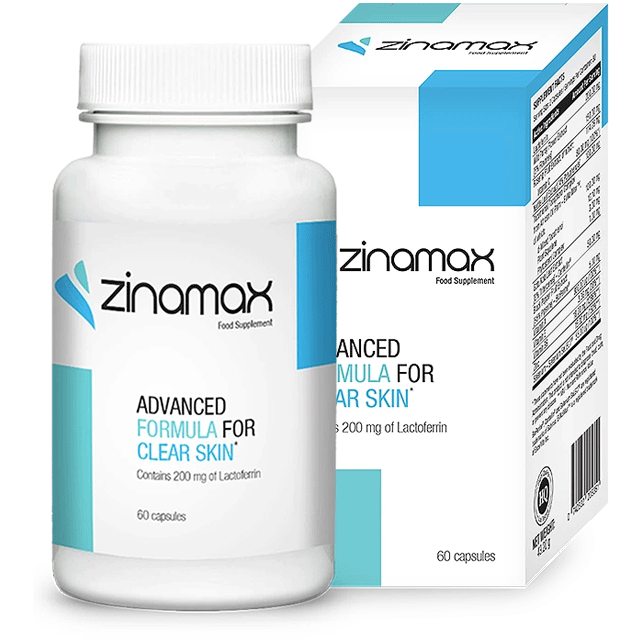
Zinamax is marketed as a supplement designed to support people with acne-prone and blemish-prone skin. It should be viewed as a complementary wellness product rather than a replacement for a dermatologist-recommended acne treatment.
If you have persistent, painful, cystic, or scarring acne, or breakouts that do not improve with appropriate skincare, consider seeing a board-certified dermatologist for individualized treatment.
The Best Simple Skincare Routine for Beginners
If skincare feels confusing, start here.
You do not need every trending serum.
You do not need multiple exfoliating acids.
You do not need a different product for every social media concern.
Build your foundation first.
Basic Morning Skincare Routine
A beginner-friendly morning routine can be:
1. Cleanser → 2. Optional Serum → 3. Moisturizer → 4. Sunscreen
Let’s look at each step.
Step 1: Cleanser
A cleanser removes sweat, oil, makeup residue, dirt, and debris from the skin.
The goal is clean skin—not squeaky, stripped skin.
The AAD recommends gentle cleansing and generally advises limiting facial washing to around twice daily and after sweating to reduce unnecessary irritation.
What to look for
Dry or sensitive skin:
Look for terms such as gentle, creamy, hydrating, or fragrance-free.
Recommended option:
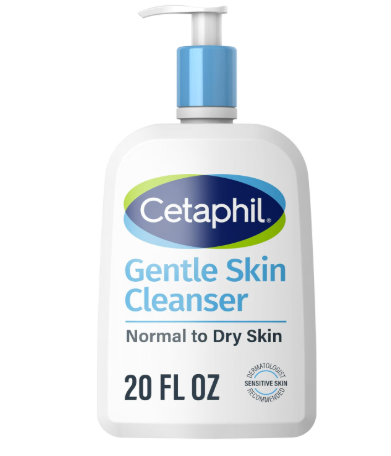
Cetaphil Gentle Cleanser, Hydrating Face Wash, Sensitive Skin, 20oz
Oily skin:
A lightweight gel or foaming facial cleanser may feel more comfortable, provided it is not excessively drying.
My pick:
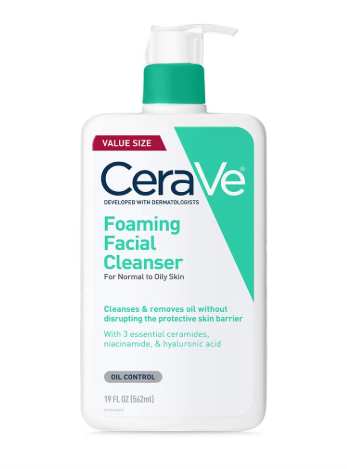
CeraVe Foaming Facial Cleanser, Face Wash for Oily Skin, 19oz
Combination skin:
Start with a mild everyday cleanser rather than an aggressive oil-stripping formula.
My choice:
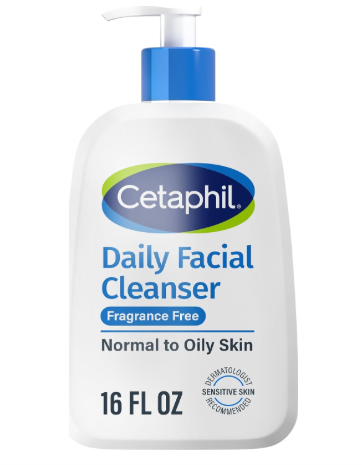
Cetaphil Daily Facial Cleanser, Oily & Combination Skin, 16oz
Step 2: Serum — Optional, Not Mandatory
Serums are usually concentrated products designed around specific cosmetic goals.
Depending on the formula, people use them for concerns such as hydration, uneven appearance, dullness, or signs of aging.
But here’s an important beginner rule:
You do not need a serum simply because everyone else has one.
First establish a routine your skin tolerates.
Then, if you have a specific goal, consider adding one targeted product rather than several at once.
This also makes it much easier to determine which product is helping—or irritating—your skin.
Beginner-friendly approach
Instead of asking:
“What are the five best serums?”
Ask:
“What is the one skin concern I would most like to address?”
Then choose accordingly.
My pick:
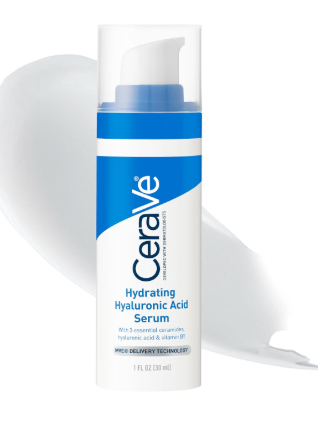
CeraVe Hyaluronic Acid Serum for Face, Hydrating Serum for Dry Skin, 1oz
Step 3: Moisturizer
Moisturizer is one of the core products in a basic skincare routine.
It helps retain water in the skin and can reduce feelings of dryness and tightness.
Applying moisturizer to slightly damp skin can help trap water at the surface, according to AAD skincare guidance.
Choose texture based on your skin
Dry skin: cream or richer moisturizer
Oily skin: gel or lightweight lotion
Combination skin: lightweight cream or lotion
Sensitive skin: simple, fragrance-free formula
Normal skin: whichever comfortable texture you will use consistently
Top recommended:
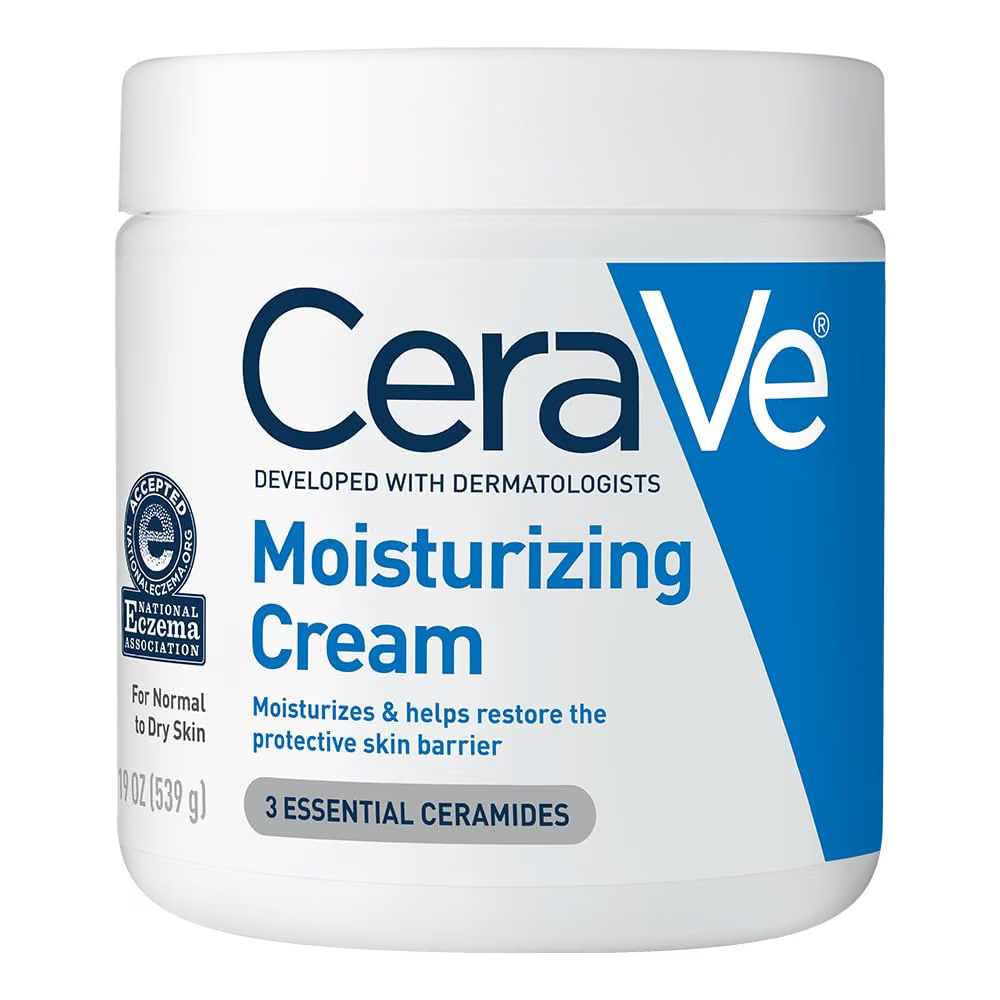
CeraVe Moisturizing Cream, Face & Body Moisturizer for Dry Skin, 19oz
Step 4: Sunscreen SPF 30+
If you want one skincare step that deserves a permanent place in your morning routine, make it sun protection.
The American Academy of Dermatology recommends a sunscreen that is:
- SPF 30 or higher
- broad-spectrum, protecting from UVA and UVB;
- water-resistant when appropriate.
Sunscreen should generally be the last skincare step before makeup.
Sun protection also involves more than sunscreen alone. Shade, protective clothing, hats, and other sun-safe habits can add additional protection.
What if sunscreen feels heavy?
The best sunscreen is one you can realistically use.
There are many textures available:
- creams;
- lightweight fluids;
- gels;
- tinted sunscreens;
- mineral formulas;
- combination formulas.
Try to find one that works comfortably with your skin type and daily routine.
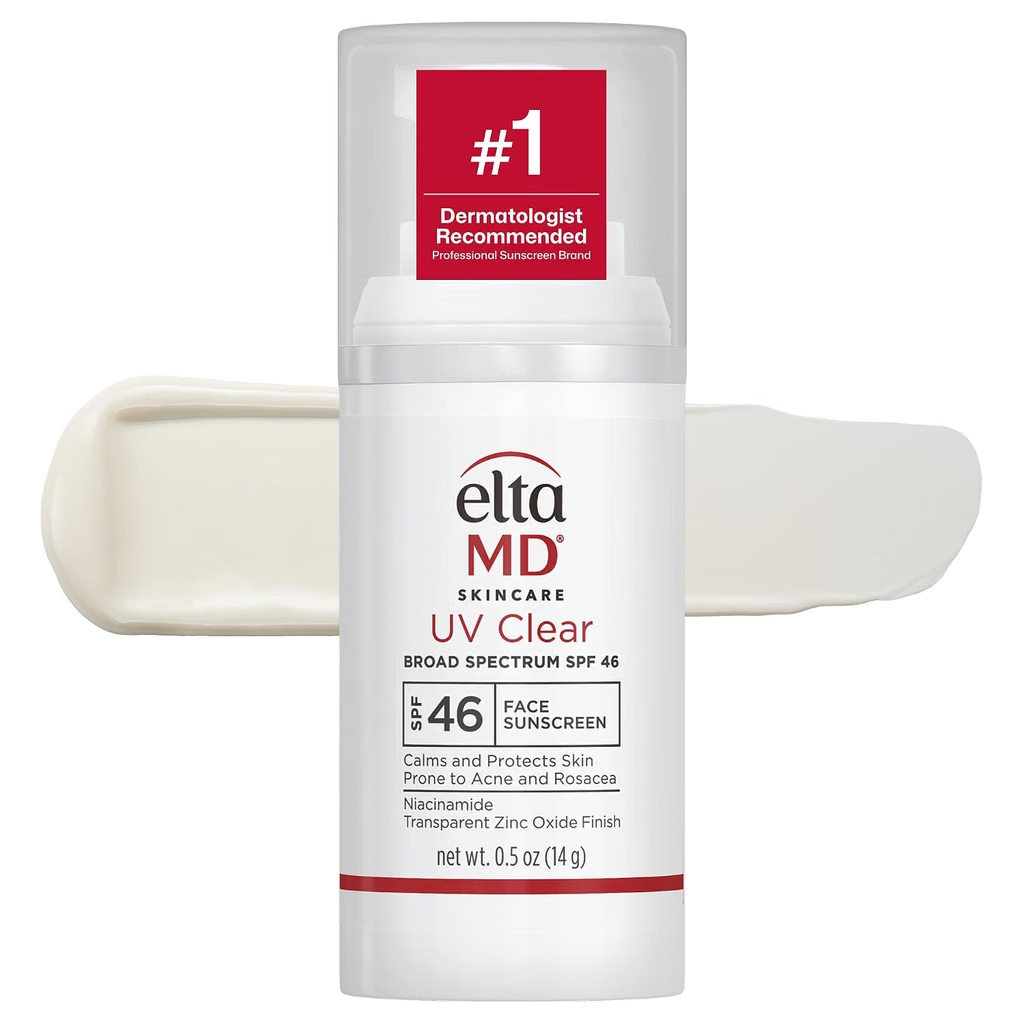
My recommendations to use daily, #1dermatologist recommended:
EltaMD UV Clear Face Sunscreen with Zinc Oxide, Oil-Free, SPF 46 and SPF 50
Simple Nighttime Skincare Routine
Your evening routine can be even simpler:
1. Cleanser → 2. Optional Treatment → 3. Moisturizer
Step 1: Cleanse
At night, cleansing helps remove the day’s sunscreen, makeup, oil, sweat, and debris.
If you wear heavier or water-resistant makeup, some people prefer a cleansing balm or makeup remover followed by their regular cleanser.
You do not need to double cleanse simply because it is trendy. Use the method that removes your products comfortably without leaving your skin irritated.
Step 2: Treatment or Serum
This is where a targeted product can fit if you choose to use one.
The product should depend on your specific concern rather than on how many active ingredients are popular online.
Introduce one new treatment at a time and follow the product directions.
If you have a diagnosed skin condition, persistent acne, severe irritation, rosacea, eczema, or another ongoing concern, a dermatologist can help you choose an appropriate treatment rather than relying only on general skincare advice.
Step 3: Moisturize
Finish with moisturizer.
Your evening moisturizer can be the same one you use in the morning.
There is no requirement to own a separate “night cream” unless you prefer a richer texture at night.
What Order Should You Apply Skincare Products?
For a basic routine, the easiest order to remember is:
Morning
Cleanser → Serum/Treatment → Moisturizer → Sunscreen
Evening
Cleanser → Serum/Treatment → Moisturizer
If you use additional products, follow the manufacturer’s directions.
Do not feel obligated to create a long routine simply to follow the rule of “thinnest to thickest.”
A short routine you consistently follow is usually more practical than a complicated routine you abandon.
Essential Skincare Products: What Do You Actually Need?
Beauty aisles can make every product look essential.
They are not.
Core Products
Cleanser
Purpose: removes dirt, oil, sweat, sunscreen, and makeup residue.
Moisturizer
Purpose: helps maintain hydration and reduce dryness.
Sunscreen
Purpose: protects exposed skin from ultraviolet radiation when used correctly as part of an overall sun-protection strategy.
These three categories create a strong beginner foundation.
Optional Products
Toner
A toner can be enjoyable or useful depending on its formulation, but it is not required for everyone.
Modern toners vary widely—from hydrating formulas to exfoliating products—so read the ingredient list rather than assuming all toners serve the same purpose.
Serum
Useful when chosen for a specific cosmetic goal.
Exfoliant
Can remove cells from the outer skin surface, but more is not better.
The AAD warns that the appropriate method depends on skin type and that improper exfoliation can cause irritation.
Eye Cream
Optional.
Some people enjoy a separate eye-area moisturizer, but you do not automatically need one if your regular moisturizer is suitable for that area and does not irritate your skin.
Face Mask
Think of masks as extras, not the foundation of your routine.
Be particularly careful about stacking exfoliating masks with other exfoliating products, since combining similar ingredients may contribute to dryness and irritation.
How to Choose Skincare Products for Your Skin Type
The most expensive product is not automatically the best product for you.
Use these questions before buying something new:
1. What is my skin type?
Dry? Oily? Combination? Sensitive? Relatively balanced?
2. What specific problem am I trying to solve?
Dryness? Texture? Dullness? Oiliness? A cosmetic aging concern?
Avoid buying a treatment without knowing why it is in your routine.
3. Am I already using something similar?
Using several products that exfoliate, for example, can increase the risk of irritation.
4. Is this product appropriate for my skin?
If you have sensitive skin, simpler and fragrance-free options may be more comfortable.
For acne-prone or oily skin, terms such as non-comedogenic or won’t clog pores can be useful when comparing products.
5. Can I introduce it slowly?
Adding five products simultaneously makes it almost impossible to know which one caused a reaction.
One at a time is easier.
Beginner Skincare Mistakes to Avoid
1. Starting Too Many Products at Once
A new cleanser, acid, retinoid, vitamin serum, toner, mask, and scrub all in one weekend?
Your skin may not appreciate the enthusiasm.
Build slowly.
2. Over-Exfoliating
Exfoliation does not need to happen constantly to be effective.
If your skin becomes unusually dry, raw, irritated, or uncomfortable, reassess what you are using.
3. Scrubbing Your Face Aggressively
Your face does not need to feel “squeaky clean.”
Gentle cleansing is enough for most everyday routines.
4. Skipping Moisturizer Because You Have Oily Skin
Oily and hydrated are not opposites.
Choose a texture appropriate for your skin rather than automatically eliminating moisturizer.
5. Treating Sunscreen as a Summer-Only Product
Ultraviolet exposure is not limited to beach days.
Daily sun protection is part of a basic skincare routine recommended by dermatologists.
6. Following Every Skincare Trend
A viral product is not automatically appropriate for your skin.
Your routine should be built around your skin—not someone else’s shelf.
7. Ignoring Irritation
Persistent burning, itching, swelling, significant redness, or rash is not something you need to tolerate simply because a product is popular.
Stop using products that cause concerning reactions and seek professional advice when symptoms are significant or persistent.
How to Patch Test a New Skincare Product
Testing a new product before applying it across your face can be particularly useful for sensitive or reactive skin.
AAD dermatologists recommend trying the product on a small test area and using it in the same way you normally would over several days. Their general at-home testing guidance describes applying the product to a small area twice daily for seven to ten days and watching for reactions such as redness, itching, or swelling.
Remember that an at-home product test is not the same thing as medical patch testing performed by a dermatologist to investigate contact allergies.
A Simple Skincare Routine by Skin Type
Dry Skin Routine
Morning
Gentle cleanser or rinse
→ Hydrating serum, optional
→ Richer moisturizer
→ SPF 30+ sunscreen
Evening
Gentle cleanser
→ Targeted treatment, optional
→ Cream moisturizer
Oily Skin Routine
Morning
Gentle cleanser
→ Lightweight serum, optional
→ Lightweight moisturizer
→ Non-comedogenic SPF 30+
Evening
Cleanser
→ Targeted treatment, optional
→ Lightweight moisturizer
Combination Skin Routine
Morning
Gentle cleanser
→ Optional serum
→ Lightweight moisturizer
→ SPF 30+
Evening
Cleanser
→ Optional treatment
→ Moisturizer, adding more only where skin feels dry
Sensitive Skin Routine
Morning
Very gentle cleanser or rinse, depending on your needs
→ Simple fragrance-free moisturizer
→ Broad-spectrum SPF 30+
Evening
Gentle cleanser
→ Fragrance-free moisturizer
Introduce optional products cautiously and one at a time.
Your Beginner Skincare Shopping List
If you are starting from zero, begin here:
The Essentials
☐ Gentle facial cleanser
☐ Moisturizer suitable for your skin type
☐ Broad-spectrum SPF 30+ sunscreen
Add Later If Needed
☐ Targeted serum
☐ Cleansing balm or makeup remover
☐ Exfoliant
☐ Face mask
☐ Eye-area product
Frequently Asked Questions About Skincare Routines
What is the best skincare routine for beginners?
For most beginners, start with a gentle cleanser, moisturizer, and daily broad-spectrum SPF 30+ sunscreen. Once your skin is comfortable with that routine, you can consider adding one targeted product for a specific concern.
What are the three most important skincare products?
A cleanser, moisturizer, and sunscreen provide a practical basic foundation.
Your exact products should still match your skin type and individual needs.
What order should I apply skincare products?
A simple morning order is:
Cleanser → Serum or Treatment → Moisturizer → Sunscreen
At night:
Cleanser → Treatment or Serum → Moisturizer
Do I need a 10-step skincare routine?
No.
A long routine is not automatically more effective. Dermatology guidance emphasizes consistency and choosing appropriate products rather than assuming more steps are always better.
Do I need toner?
Not necessarily.
Toner is optional and depends on the formulation and your personal goals.
Can oily skin use moisturizer?
Yes.
Choose a lightweight or non-comedogenic moisturizer if heavier products feel uncomfortable.
How often should I wash my face?
Many people cleanse up to twice a day and after significant sweating. People with dry or sensitive skin may sometimes find less frequent cleansing appropriate depending on their needs.
What sunscreen should I use on my face?
The AAD recommends choosing broad-spectrum, water-resistant sunscreen with SPF 30 or higher. Texture and finish can then be selected according to your skin type and preferences.
How do I know my skin type?
Observe how your skin generally behaves.
Dry skin tends to feel rough or flaky. Oily skin tends to appear shiny or greasy. Combination skin has oily and dry areas. Sensitive skin may sting or burn after certain products.
If you have ongoing skin symptoms or are uncertain whether what you’re experiencing is simply a skin type or a skin condition, talk with a dermatologist.
How long should I wait before adding another skincare product?
There is no universal timetable that fits every product and every person.
A practical beginner strategy is to establish a basic routine first and introduce only one new product at a time, giving yourself enough time to observe how your skin responds.
The Bottom Line: Simple Skincare Is Still Skincare
Healthy-looking skin does not require a shelf full of products.
Understanding your skin makes it easier to choose products intentionally.
Start with the basics:
Cleanse gently.
Moisturize according to your skin type.
Protect your skin from the sun.
Then add targeted products only when they serve a clear purpose.
The best skincare routine is not necessarily the most expensive, the newest, or the longest.
It is the one that is appropriate for your skin, gentle enough to use consistently, and simple enough to become part of your everyday life.
This article is for general educational purposes and is not a substitute for personalized medical advice, diagnosis, or treatment. If you have persistent acne, eczema, rosacea, unusual skin changes, severe irritation, or another skin condition, consider consulting a board-certified dermatologist.











Post Comment