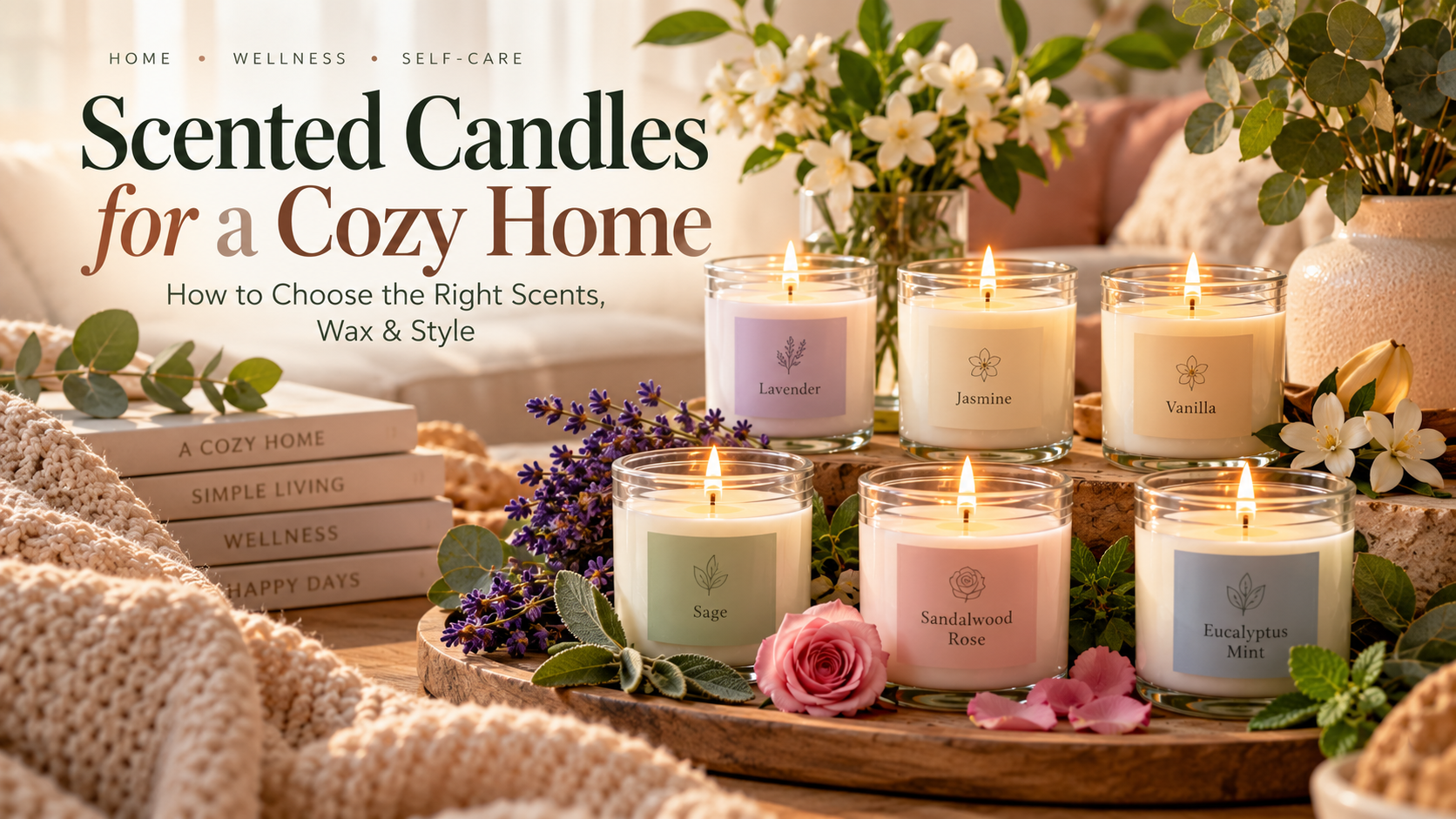
7 Scented Candles for a Cozy Home: How to Choose the Right Scents, Wax & Style
Table of Contents
This article may contain affiliate links. If you purchase through one of these links, YourVitaHub may earn a commission at no additional cost to you. As an Amazon Associate, I earn from qualifying purchases.
There is something about candlelight that can instantly change the feeling of a room. A quiet corner becomes more inviting, an ordinary bath feels a little more special, and an evening at home can suddenly feel like a small ritual rather than just the end of another busy day.
But creating that atmosphere isn’t only about lighting any candle you happen to find.
The fragrance, wax, placement, size, and even the way you burn a candle can influence the experience. Whether you’re building a relaxing evening routine or simply want your living room to feel warmer and more welcoming, choosing the right scented candles for a cozy home can make a surprisingly noticeable difference.
Here’s what to know before choosing your next candle.
Why Do Scented Candles Make a Home Feel Cozy?
Cozy interiors are usually created through layers of sensory details: warm lighting, comfortable textures, natural materials, pleasant scents, and familiar objects.
Candles bring several of those elements together.
Their soft light creates a warmer visual atmosphere than bright overhead lighting, while fragrance adds another layer to the room. A vanilla candle, for example, creates a completely different impression from eucalyptus or jasmine.
This makes candles an easy way to change the mood of a room without redecorating it.
Try combining candlelight with other simple elements such as:
- knitted throws and cushions
- warm neutral colors
- wood and natural textures
- houseplants
- soft lamps
- books and decorative trays
- relaxing music
The result is less about following a particular decorating trend and more about creating a space that feels comfortable to you.
What Are the Best Candle Scents for a Cozy Home?
There isn’t one perfect fragrance for every home. Some people love sweet gourmand scents, while others prefer herbal, floral, woody, or fresh fragrances.
However, a few fragrance families work particularly well when you want to create a warm and inviting atmosphere.
1. Lavender — Soft and Relaxing
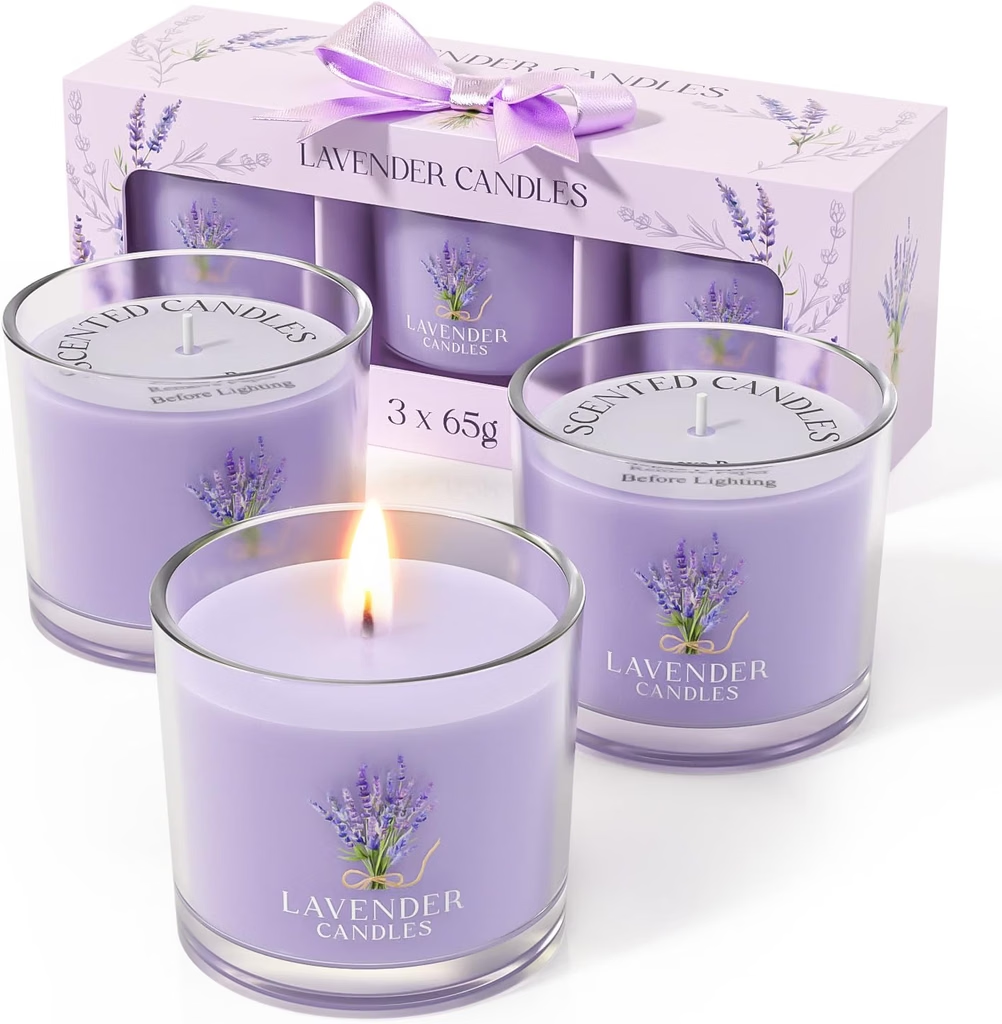
CHILLFLAME Lavender Candle, Scented Candles Gift Set for Stress Relief
Lavender is one of the most recognizable fragrances used in candles and home fragrance.
Its soft herbal-floral aroma works particularly well in bedrooms, bathrooms, reading corners, and evening spaces.
If strong fragrances tend to overwhelm you, look for lavender blended with softer notes such as vanilla, chamomile, or sandalwood.
Try it in: bedrooms, bathrooms and evening self-care spaces.
2. Vanilla — Warm and Comforting
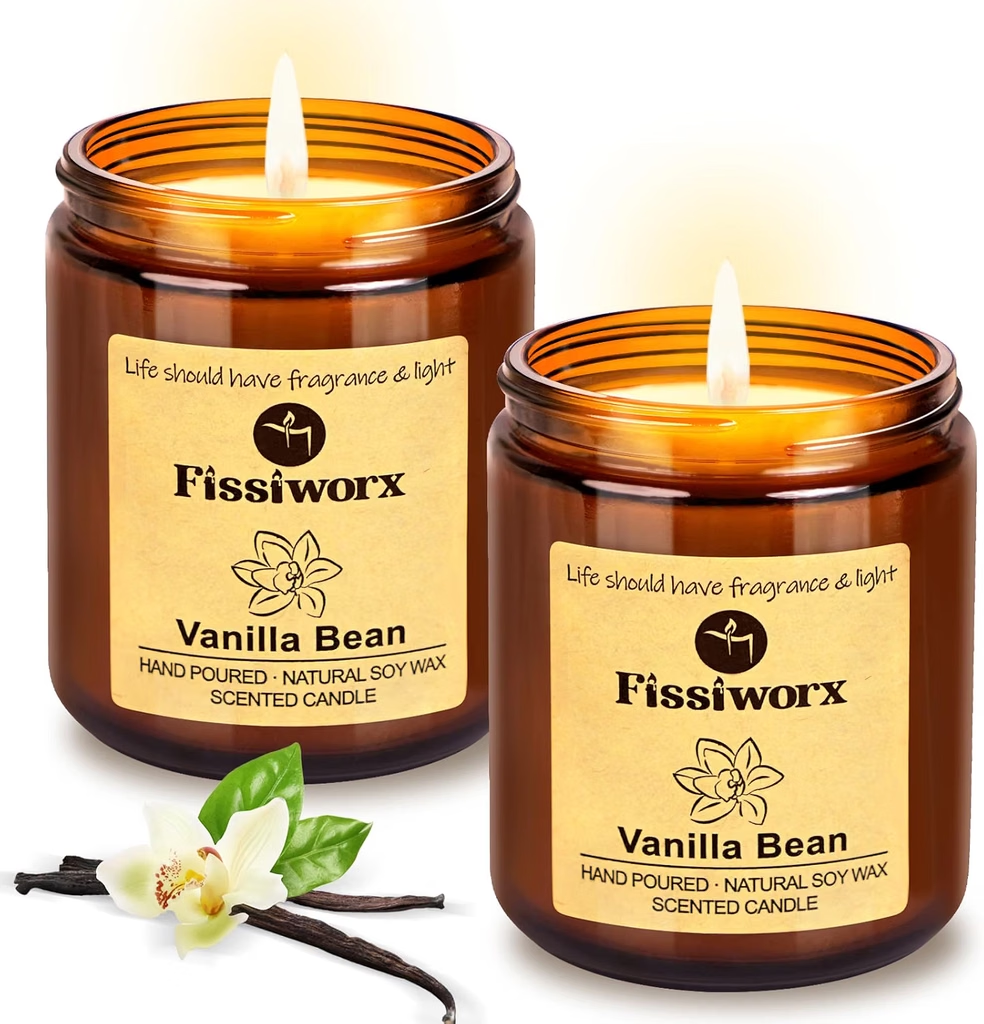
Vanilla Scented Candle Set 2 Pack, Candle for Home Scented, Odor Eliminating, Stress Relief, 15oz, 110 Hours Long Lasting Candles
If your idea of cozy involves warm blankets and quiet evenings at home, vanilla is an easy place to start.
Vanilla candles tend to create a sweet, familiar atmosphere and pair beautifully with fragrances such as sandalwood, amber, cinnamon, coffee, or soft florals.
Because vanilla can range from subtle to very sweet, check the fragrance description before buying if you prefer lighter scents.
Try it in: living rooms, bedrooms and entertaining spaces.
3. Sandalwood — Warm and Woody
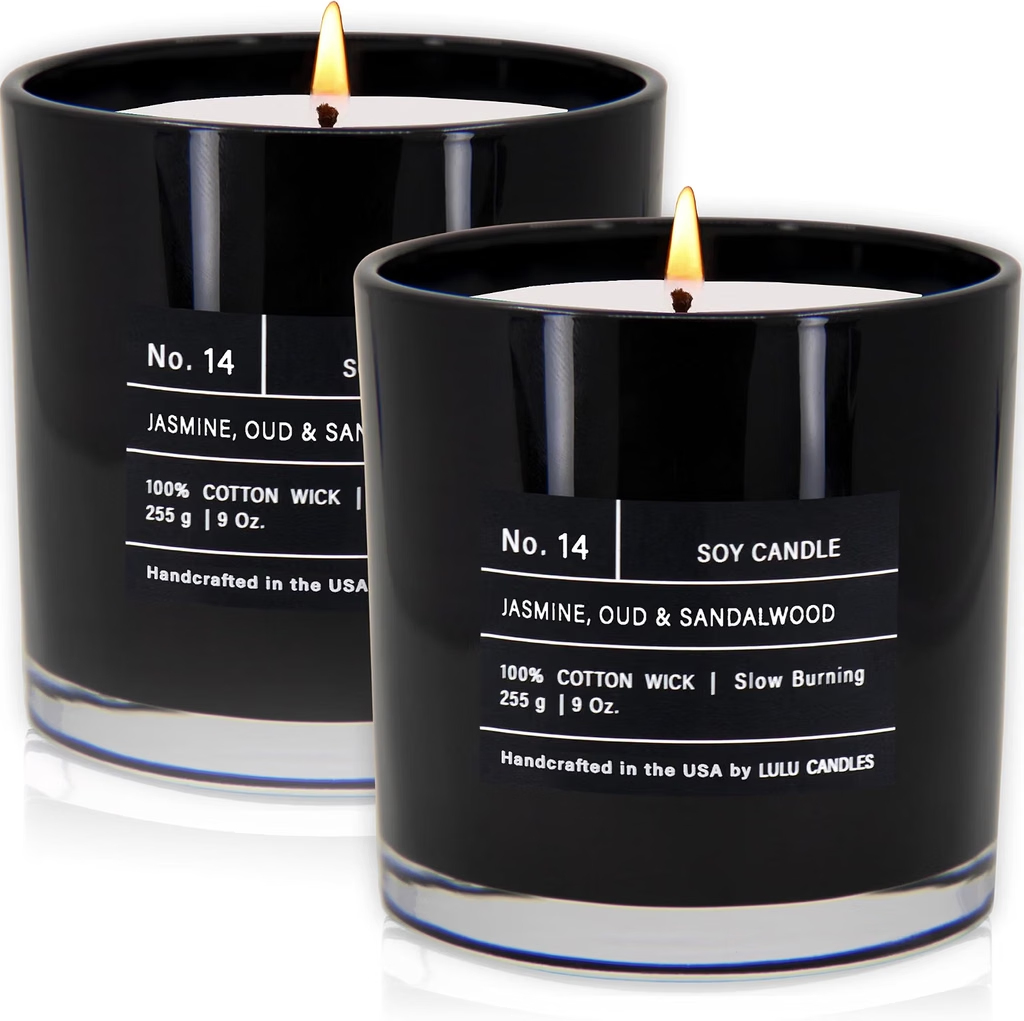
Lulu Candles Jasmine, Oud & Sandalwood Scented Soy Blend Jar Candle 9 Oz 2 Pack
Sandalwood brings depth without necessarily making a room smell overly sweet.
Its warm woody character works especially well with minimalist, bohemian, earthy, or spa-inspired interiors.
Sandalwood is also commonly blended with rose, vanilla, amber, musk, or patchouli.
Try it in: living rooms, offices and reading corners.
4. Jasmine — Floral and Elegant
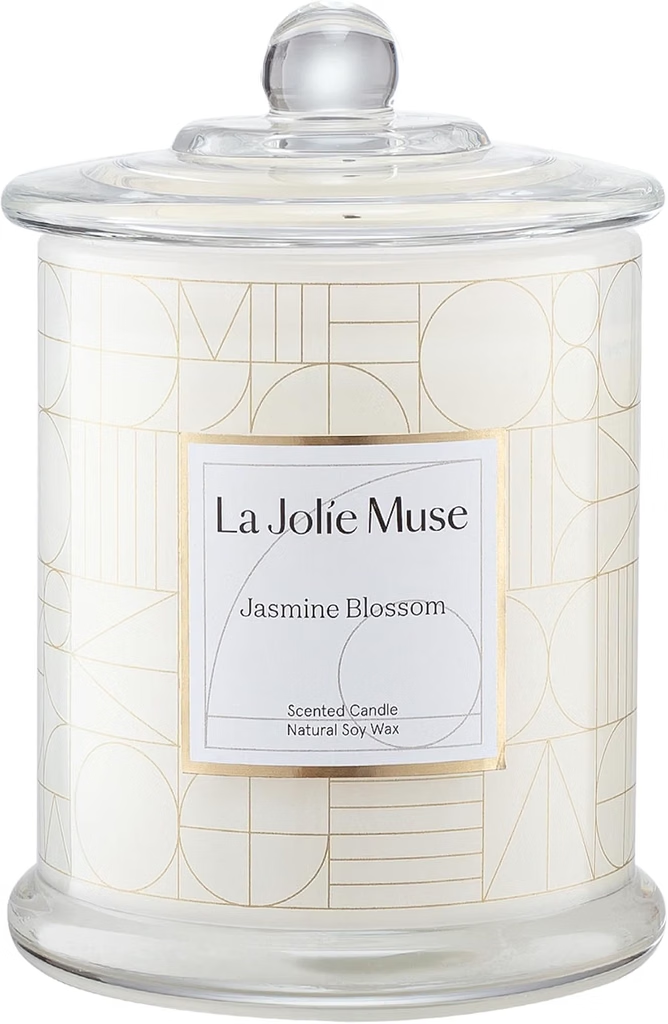
LA JOLIE MUSE Jasmine Floral Scented Candles for Home, Natural Soy 70 Hrs
Jasmine has a richer floral personality.
It can make a room feel fresh and elegant and is particularly appealing if you enjoy botanical fragrances but want something different from lavender.
Because jasmine can be intense, smaller candles or blended fragrances may be preferable in compact rooms.
Try it in: bedrooms, dressing areas and living spaces.
5. Sage — Herbal and Earthy
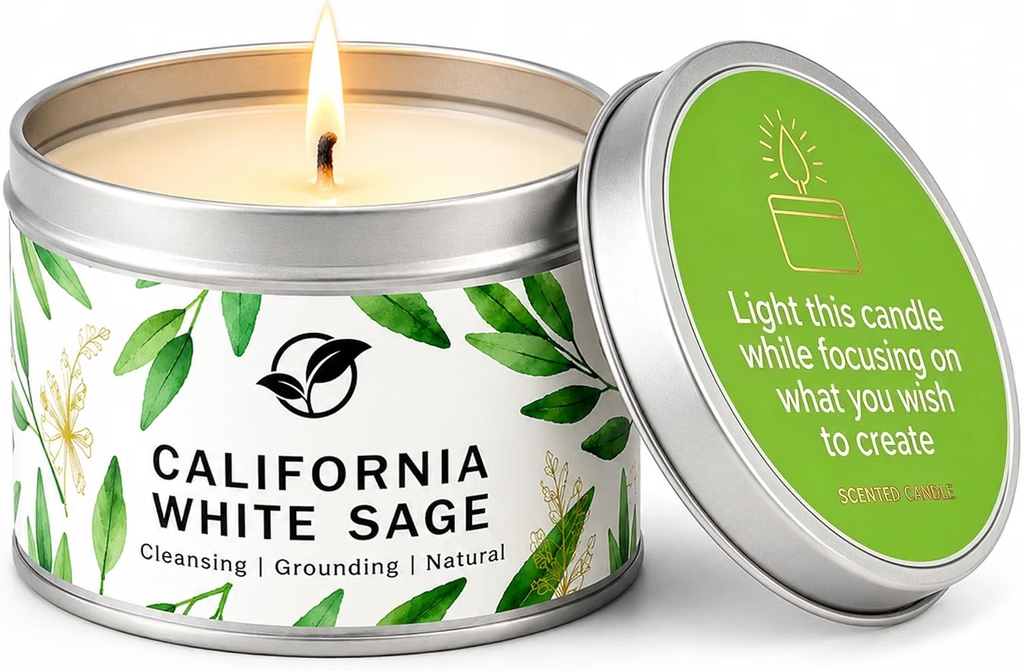
Sage Candle for Cleansing, 6 OZ Soy Wax White Sage Aromatherapy Candle
Sage-inspired fragrances bring a green, herbal character to a room.
They work particularly well in homes with natural textures, botanical décor, neutral palettes, or wellness-inspired spaces.
Sage is often paired with eucalyptus, citrus, lavender, cedarwood, or other herbs.
Try it in: home offices, kitchens and living areas.
6. Eucalyptus & Mint — Fresh and Crisp
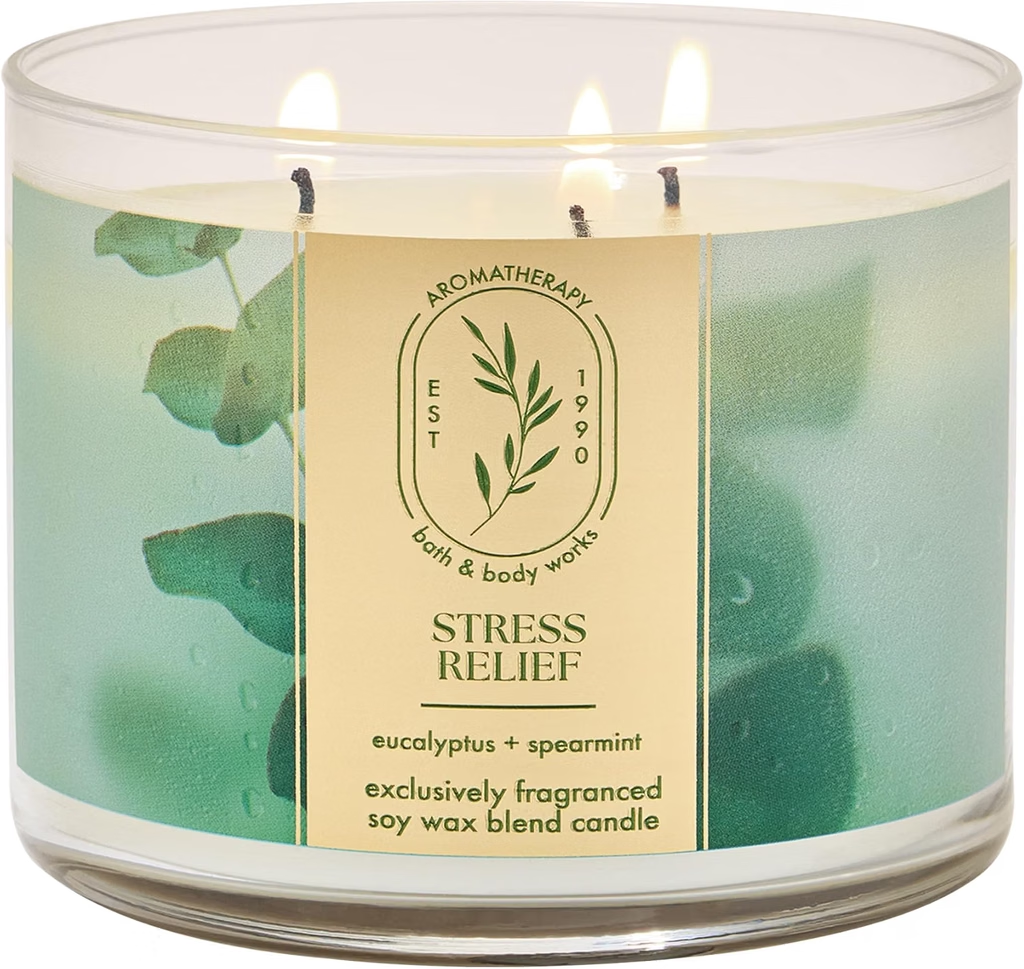
Bath & Body Works 3-Wick Candle, Eucalyptus Spearmint, Soy Wax Blend
Not every cozy fragrance needs to be sweet.
Eucalyptus and mint provide a fresher alternative to vanilla and floral fragrances. Their crisp scent can work especially well in bathrooms or during a morning self-care routine.
If you enjoy spa-inspired interiors, this fragrance family is worth exploring.
Try it in: bathrooms, entryways and daytime spaces.
A Simple Way to Experiment With Different Scents
If you’re still discovering which fragrance family you prefer, a candle set containing several smaller scents can make more sense than purchasing one large candle.
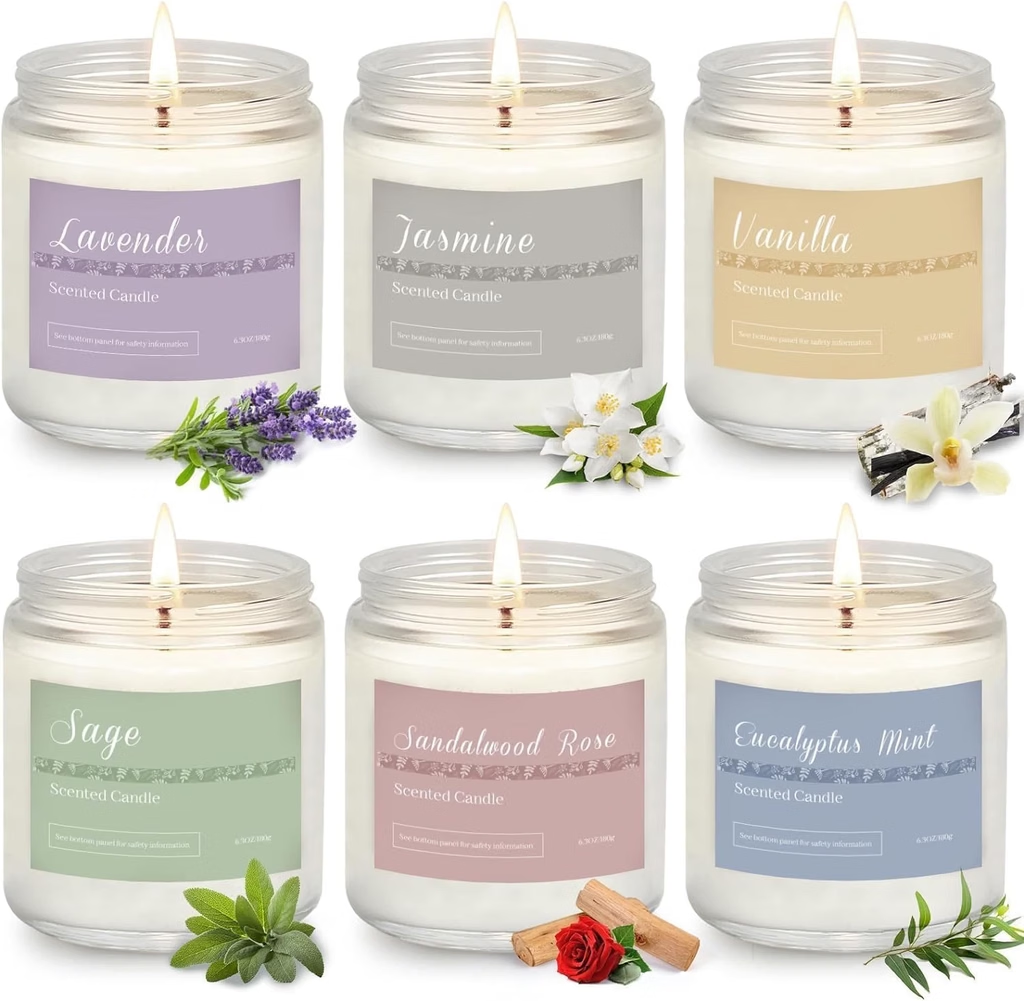
For example, a collection combining lavender, jasmine, vanilla, sage, sandalwood rose, and eucalyptus mint lets you change the fragrance according to the room or mood.
My Cozy Candle Find
I found a six-scent candle collection that includes exactly these fragrance families and uses soy wax with cotton wicks. It can be an easy way to experiment with floral, herbal, woody, sweet and fresh scents without committing to one large fragrance.
As an Amazon Associate, I earn from qualifying purchases.
This type of product placement also keeps the focus of the article on helping readers choose a fragrance rather than simply presenting a product.
Soy Wax vs. Paraffin vs. Beeswax: What’s the Difference?
Fragrance isn’t the only thing to consider when buying candles. You’ll also see several different wax types.
Soy Wax
Soy wax is made from processed soybean oil and is widely used in container candles.
People often choose soy candles because they tend to burn relatively slowly and are available in a huge variety of fragrances.
However, labels such as “soy candle” don’t necessarily mean that every ingredient in the candle is natural. Some products use wax blends, so check the product information if composition matters to you.
Paraffin Wax
Paraffin is a petroleum-derived wax and remains common because it performs well with fragrance and color.
You’ll sometimes encounter sweeping claims online suggesting that one wax is universally “safe” while another is “toxic.” The research is more nuanced.
Controlled studies have found that candle emissions depend on factors including wax, wick, fragrance composition and burning conditions. Research has detected particles and gaseous compounds from burning candles, while typical modeled exposures in some studies remained below relevant guidance values for most measured compounds.
For everyday use, good ventilation and proper candle care are sensible practices.
Beeswax
Beeswax has a naturally warm color and subtle honey-like aroma and is popular among people who prefer traditional materials.
Pure beeswax candles may also be less fragrance-focused than conventional scented candles, making them an interesting option if atmosphere and candlelight matter more to you than a strong scent.
Are Soy Candles Better?
This is one of the most common questions people ask when shopping for candles.
The most useful answer is: it depends on what “better” means to you.
Soy wax may appeal to you if you want a plant-derived wax, slower-burning container candle, or wide choice of fragrances.
But wax alone doesn’t determine the quality of a candle.
Also consider:
- wick quality
- fragrance strength
- container quality
- burn performance
- ingredient information
- candle size
- your sensitivity to fragrance
- how and where you’ll use it
A well-made candle is ultimately more useful than choosing solely because a particular wax sounds fashionable.
How to Choose a Candle for Each Room
Instead of using the same fragrance everywhere, try matching the scent profile to the room.
Bedroom: Lavender, vanilla, sandalwood and gentle floral blends create a softer atmosphere.
Living room: Vanilla, sandalwood, amber, rose and woody fragrances can make larger spaces feel warmer.
Bathroom: Eucalyptus, mint, herbal and fresh fragrances work particularly well with a spa-inspired setting.
Home office: Sage, eucalyptus, citrus and lighter botanical fragrances can provide scent without making the space feel overly sweet.
Entryway: Choose something welcoming but not overpowering. Soft florals, vanilla blends and fresh botanical scents are versatile choices.
You don’t need to burn multiple fragrances simultaneously. In fact, using one main scent at a time can keep your home from becoming overwhelmingly fragranced.
How Long Should You Burn a Scented Candle?
Always follow the manufacturer’s instructions because candle size, wax and wick design vary.
A few basic habits can also improve the experience.
Before lighting your candle, check whether the manufacturer recommends trimming the wick. Keep candles on a stable, heat-resistant surface and away from curtains, drafts, children, pets, and anything that could catch fire.
Never leave a burning candle unattended.
If the flame becomes unusually large, flickers excessively or begins producing visible soot, extinguish it safely and check the wick and manufacturer’s instructions before relighting.
Research on candle emissions has found that unstable or “stressed” burning conditions can increase soot and particle emissions, which is another reason to keep candles away from strong drafts.
What About Indoor Air Quality?
Candles are still combustion sources, so this is worth considering—especially if you’re building a healthier-home routine.
Scientific studies have detected particulate matter and volatile compounds while candles are burning. Results vary substantially according to the candle, fragrance, burning conditions and ventilation.
One controlled study examining multiple wax and fragrance combinations found that calculated indoor concentrations were below relevant guidance or reference values in most scenarios, although there were exceptions for some compounds. More recent research has also documented changes in indoor particulate concentrations during scented-candle use.
The practical takeaway isn’t that you need to eliminate candles from your home.
Instead, use them thoughtfully.
Avoid burning many candles simultaneously in a small closed room, allow some ventilation, follow manufacturer instructions, and consider unscented alternatives if fragrances bother you.
How to Create a Cozy Candle Ritual
You don’t need an elaborate wellness routine.
Choose one small moment in your day when you intentionally make your environment more pleasant.
You might light a lavender candle while reading before bed, use eucalyptus during a bath, choose vanilla during a quiet Sunday evening, or place a sandalwood candle near your favorite reading chair.
Add a warm drink, turn off harsh overhead lights, put your phone aside for a few minutes, and enjoy your space.
Sometimes creating a cozy home isn’t about buying more décor.
It’s about enjoying the home you already have.
Create a Home That Feels Like You
The best candle scent isn’t necessarily the one currently trending on social media. It’s the fragrance that makes you enjoy spending time in your own space.
Start with one or two fragrance families you already like. Experiment with different rooms and seasons. Over time, you may discover that fresh eucalyptus feels right in the morning while warm vanilla or sandalwood becomes your evening scent.
And if you’re working toward a home that feels calmer, warmer and more intentional, candles can be just one small piece of the picture.
Want more simple ideas for creating a beautiful, cozy and wellness-inspired home?
[READ NEXT: HOW TO CREATE A COZY HOME →]
Get More Wellness & Cozy Home Finds
Want inspiration without having to search for everything yourself?
Join the YourVitaHub WhatsApp or Telegram channel for curated wellness, beauty, self-care and cozy-home finds, plus new guides and practical ideas from YourVitaHub.
JOIN THE WHATSAPP CHANNEL
JOIN THE TELEGRAM CHANNEL
References
Salthammer T, et al. Measurement and evaluation of gaseous and particulate emissions from burning scented and unscented candles. Environment International. 2021.
Yun H, et al. Impact of scented candle use on indoor air quality and airborne microbiome. Scientific Reports. 2025.











Post Comment